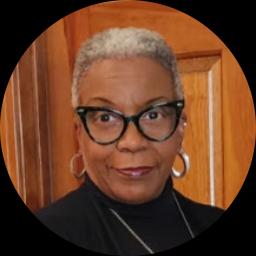
Lauryn Harris
NCPS
Compassionate counsellor focused on relationships and trauma
- Addictions
- Relationship
- Family
Clinical social work directory
178 therapists list Gottman Method among the ways they work. Naming an approach is not evidence of training in it, so ask directly how they use it.
The Gottman Method is a research-informed approach to couples therapy that focuses on strengthening relationship friendship, communication, and conflict management. Below you can browse therapists who list the Gottman Method among their approaches and review their practice details to find a style that fits your needs.
NCPS
Compassionate counsellor focused on relationships and trauma
LMHC
Restoring control and hope in everyday life
NY Psychoanalyst
Experienced clinician guiding steady change
LMFT
Systemic-focused therapist for life transitions
AASW
Compassionate, practical therapy for everyday life
BACP
Experienced Systemic-informed counsellor
LMFT
Compassionate systems-focused therapy for everyday life
BACP
Compassionate counsellor for life and relationship change
BACP
Practical, warm counselling for everyday struggles
LCSW
Compassionate, practical therapy for relationship patterns
BACP
Experienced relational counsellor for life's difficult moments
LCSW
Compassionate systemic therapy for real-life change
LPC
Compassionate counselor focused on relationships and growth
LPC
Practical, relationship-aware therapy for life challenges
BACP
Gentle, practical counselling with mindfulness
LMFT
Compassionate, practical support for life changes
LMFT
Experienced systemic therapist focused on relationships
BACP
A warm relational therapist who focuses on lasting change
LMHC
Compassionate therapist focusing on practical change
LMFT
Compassionate therapist focused on relationships and resilience
LCSW
Compassionate help for trauma and relationship strain
ACA
Practical counselling for relationships and life changes
LCSW
Calm, practical care for life’s hard moments
LMSW
Experienced Michigan social worker focused on relationships
LPC
Helping people navigate stress and life changes
LPC
Practical counseling that builds on your strengths
LPC
Helping people reshape relationships and patterns
LPC
Systemic-minded LPC helping people find practical change
LIMFT, LPCC
Compassionate, practical support for real-life struggles
LCSW
Compassionate, practical support for lasting change
BACP, NCPS
Practical, relationship-aware therapy for life challenges
LMFT
Practical, relationship-focused therapy for real life
LPC
Practical, systemic support for life transitions
ACA
Systemic counsellor helping with stress and relationships
AASW
Counselling that focuses on relationships and values
BACP
Practical, compassionate therapy for life challenges
LPCC
Compassionate, practical therapy for everyday challenges
LCSW
Therapist focused on relationships and resilience
Some links on this page are partner links. We will earn a commission if you sign up through one, at no cost to you. It does not change what you pay or the order of the listings.
The Gottman Method is built around a structured framework for understanding how couples relate and where difficulties arise. At its core is an emphasis on observable behaviors and patterns that influence relationship satisfaction over time. You will often hear about concepts like the Sound Relationship House, which offers a way to think about the elements that support a healthy partnership - from trust and commitment to emotional connection and shared meaning. Therapists who list the Gottman Method as an approach tend to focus on specific, teachable skills as well as on the interactional cycles that sustain problems.
Another central idea in the Gottman framework is the identification of interaction patterns that predict escalations in conflict, sometimes described using familiar metaphors from the approach. Rather than attributing blame to one partner, the method examines how each person’s behavior shapes and is shaped by the other. The result is a mix of assessment, skill-building, and tailored interventions that aim to reduce destructive exchanges and increase supportive moments. You can expect an emphasis on both immediate tools for de-escalation and longer-term practices that strengthen the friendship at the heart of the relationship.
The Gottman Method is commonly used by couples working through a range of relationship challenges, because it addresses both ongoing patterns and situational crises. If you are dealing with recurring arguments that feel stuck in a loop, the method provides language and techniques to interrupt those cycles. If emotional distance has grown over time, the approach offers ways to rebuild fondness and emotional attunement through structured exercises and reflective conversations. Therapists who use this approach often help couples navigate transitions such as cohabitation, parenting changes, or retirement by translating abstract concerns into practical communication strategies.
Although the method is frequently associated with couples, therapists who list the Gottman Method also use its principles to help partners manage grief, betrayal, and trust challenges, as well as to support couples adapting after life events. It tends to be chosen when you want a balance of concrete skills - such as how to have a productive repair conversation - and a focus on the emotional climate of the relationship. The practical nature of the work can make it appealing if you are looking for interventions that translate directly into everyday interactions.
A typical session using Gottman-informed techniques usually starts with assessment - getting a clear sense of the patterns that brought you to therapy and mapping the relationship strengths and vulnerabilities. You can expect a therapist to gather information about conflict cycles, friendship quality, rituals of connection, and stressors from outside the relationship. This initial focus helps shape an individualized plan that targets both immediate relief and longer-term change.
Once the assessment is underway, sessions commonly move into skill-building. That might include structured dialogues where each partner speaks for a set time while the other listens and then reflects back what they heard. Therapists often teach specific conflict-management skills, such as softened startup - a way of beginning difficult conversations that reduces defensiveness - and effective repair attempts when things go awry. Role-play and in-session coaching are frequently used so you can practice new ways of interacting while the therapist offers gentle guidance. Homework is a normal part of the process, designed to help you bring new habits into daily life through rituals of connection or short, focused conversations that reinforce learning.
The Gottman Method differs from many other therapeutic approaches in its emphasis on observable interactions and empirically informed interventions designed specifically for couples. While some therapies prioritize internal family-of-origin dynamics or individual intrapsychic processes, the Gottman approach tends to concentrate on what happens between partners in the present moment - how conversations unfold, how bids for connection are met, and how repair attempts function. This emphasis gives you specific tools to change everyday exchanges rather than only exploring historical roots of behavior.
At the same time, the Gottman framework is complementary rather than exclusive. Therapists who list the Gottman Method may also draw on other modalities to address individual emotional needs, trauma responses, or broader systemic patterns. Compared with process-oriented or insight-driven methods, the Gottman approach is often more directive and skills-focused, which can make progress feel measurable. If you prefer a therapy with clear techniques to practice and concrete goals for relationship functioning, you may appreciate this orientation. If you favor exploratory work that focuses primarily on personal narrative, you may find the mix of structure and skill-teaching different from what you expect.
The Gottman Method can be a fit if you and your partner want practical strategies to improve communication, reduce destructive conflict, and rebuild closeness. You might choose this approach when you want a balance of skills training and deeper work on emotional connection, or when you are aiming to create reliable habits that support relationship stability. It can be helpful whether you are early in a partnership and trying to build a strong foundation or farther along and looking to repair long-standing patterns.
When choosing a therapist who lists the Gottman Method among their approaches, think about how you prefer to work. Some therapists will combine Gottman tools with more exploratory conversations about personal history, while others may apply the method in a focused, manualized way. Look at descriptions that highlight how the therapist integrates assessments, in-session coaching, and between-session practices. Consider the therapist's language around values, cultural awareness, and experience with issues similar to yours - such as parenting stress, blended family dynamics, or recovery after breach of trust. Reading provider profiles and introductory statements can give you a sense of whether their style aligns with your expectations.
Finally, ask yourself what outcomes matter most to you. If you want clearer communication patterns, stronger friendship with your partner, and a toolkit for repairing ruptures, the Gottman-oriented work may offer concrete steps. Use the therapist listings as a starting point to compare approaches, philosophical fit, and the practical match between what you want to change and how a therapist describes their work. With attention to style and focus, you can find someone whose approach supports the kind of relationship changes you are seeking.