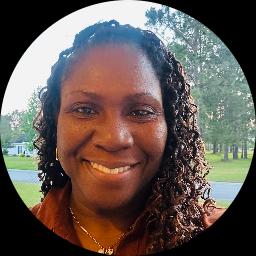
Dr. LaShayla Dyer, LCSW, CSW
Georgia · 11 years in practice
Dr. LaShayla Dyer is a Licensed Clinical Social Worker who helps people facing relationship strain, grief, anxiety, depression, and self-esteem struggles.
License and registration
- LCSW, Georgia
- CSW004872 · expires September 2026
- NPI
- 1073926663 · national provider identifier
- Years in practice
- 11
- Languages
- English
Details are as listed on the therapist's public professional profile. You can check the license with the issuing state board, and the NPI with the national registry.
About LaShayla
Dr. LaShayla Dyer is a Licensed Clinical Social Worker who helps people facing relationship strain, grief, anxiety, depression, and self-esteem struggles. She speaks plainly and focuses on practical steps people can use right away.
Dr. Dyer keeps sessions grounded and direct so clients can tackle what feels overwhelming. With 11 years of clinical experience, she draws on approaches such as Systemic therapy, Acceptance and Commitment Therapy (ACT), Client-Centered therapy, Cognitive Behavioral Therapy (CBT), and Emotionally-Focused Therapy (EFT).
Background and approach
In sessions she listens first, then offers tools people can practice between meetings. She works with common concerns like stress, parenting pressures, caregiver burnout, sleep problems, anger, and intimacy challenges. Dr.
Dyer also addresses longer-term issues tied to family history and life transitions. That includes adoption and foster care matters, blended family dynamics, attachment issues, and family of origin patterns. She helps people sort through guilt, shame, forgiveness, and decisions around separation or divorce.
Her style centers on collaboration. She treats each person as the expert on their life and builds plans that fit individual goals and daily routines. Practical skills, short experiments, and reflection are mixed into conversations.
Dr. Dyer practices in Georgia as an LCSW and CSW. Sessions are offered in English and are available to international clients by online formats.
People who want to begin are guided through a short matching process to find the best way to connect.
Focus areas and approaches
Everything LaShayla lists on their public professional profile, in their own terms.
- Relationship issues
- Family conflicts
- Self esteem
- Coping with life changes
- Compassion fatigue
- Stress, Anxiety
- Trauma and abuse
- Grief
- Intimacy-related issues
- Sleeping disorders
- Parenting issues
- Anger management
- Career difficulties
- Bipolar disorder
- Depression
- Coaching
- ADHD
- Adoption and foster care
- Aging and geriatric issues
- Attachment issues
- Blended family issues
- Caregiver issues and stress
- Codependency
- Commitment issues
- Communication problems
- Control issues
- Divorce and separation
- Family of origin issues
- Family problems
- Fertility issues
- Forgiveness
- Guilt and shame
- Hospice and end-of-life counseling
- Infidelity
- Isolation / loneliness
- Life purpose
- Midlife crisis
- Veteran and Armed Forces Issues
- Mood disorders
- Multicultural concerns
- Postpartum depression
- Pregnancy and childbirth
- Prejudice and discrimination
- Self-love
- Social anxiety and phobia
- Women's issues
- Workplace issues
- Young adult issues
Approaches LaShayla names
- Systemic Therapy
- Acceptance and Commitment Therapy (ACT)
- Client-Centered Therapy
- Cognitive Behavioral Therapy (CBT)
- Emotionally-Focused Therapy (EFT)
- Gottman Method
- Mindfulness Therapy
- Motivational Interviewing
- Narrative Therapy
- Psychodynamic Therapy
- Solution-Focused Therapy
- Trauma-Focused Therapy
- Internal Family Systems
Naming an approach is not evidence of training in it. This directory copies what each therapist lists and does not check training records.
Online support
How her approaches work online
Systemic therapy looks at relationships and patterns that affect daily life. It helps people see how communication and roles between family members or partners shape problems and possible changes. Acceptance and Commitment Therapy, or ACT, focuses on values and small actions a person can take even when feelings are hard. It is useful for stress, anxiety, and navigating life transitions. Client-Centered therapy centers on respectful listening and support. The therapist follows the client's lead to build insight and confidence. Together these approaches aim to combine perspective on relationships with practical steps and personal values to guide change. Finding the right approach is part of the work. The therapist will talk with the client about goals, try techniques, and adjust the plan as needed. That collaborative process helps identify which methods feel most useful for each person. Online sessions make it easier to fit therapy into a busy life. Video calls allow face-to-face conversation when a deeper exchange is helpful. Phone sessions can be a simpler option when bandwidth is limited or for shorter check-ins. Live chat and text-based messaging let people check in between sessions, share quick updates, or work through brief exercises without scheduling a full call.We will earn a commission if you sign up through our link, at no cost to you. It does not change what you pay or the order of the listings.
Questions people ask
What kinds of concerns does she help with?
She helps people with relationship and family stress, anxiety, depression, grief, trauma and abuse, self-esteem, parenting strain, sleep problems, and career or life-change challenges.
What is her therapy style like?
The approach is collaborative and down-to-earth. Sessions blend listening with practical tools from several therapies so clients can try new ways of coping between meetings.
How much experience does she have?
She has 11 years of recent clinical experience working with a range of concerns including caregiver stress, attachment issues, and blended family dynamics.
What are her credentials and where is she located?
She holds LCSW and CSW credentials and practices in Georgia under the GA LCSW credential.
Can I work with her if I live outside the United States?
Sessions are offered to international clients and are conducted in English.
Which session formats are offered?
She provides video calls, phone sessions, live chat, and text-based messaging to give flexible ways to connect.
How are costs handled?
Costs vary with location and therapist arrangements; sessions use a subscription model that can be canceled at any time.
What do I need to do to begin?
Start by selecting the Start Therapy button, complete the short matching questionnaire, and then schedule sessions according to therapist availability.
More therapists in Georgia
See allFarah Southwell
LPC
Support for anxiety, relationships, and life change
- Stress, Anxiety
- Relationship
- Family
Dr. Natalia Kuzmina
LMFT, LCMFT
Restoring boundaries and healthier relationships
- Stress, Anxiety
- Relationship
- Family

Cynthia (Cindy) Rozier
LCSW, CSW
Helping people navigate stress and relationships
- Stress, Anxiety
- Relationship
- Family

Sharion Phelps
LMFT
Compassionate relational therapy focused on practical change
- Stress, Anxiety
- Relationship
- Intimacy-related issues
Is this your profile?
Ask us to correct details or take the page down.
Contact us