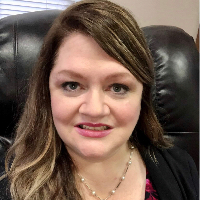
Farah Southwell
LPC
Support for anxiety, relationships, and life change
- Stress, Anxiety
- Relationship
- Family
Clinical social work directory
14 therapists in this directory hold a licence issued in Georgia and name systemic therapy among their approaches. Sessions are online; a US therapist can usually only see people in a state where they hold a licence, so check the credentials panel on each profile.
Welcome to Systemic Therapists' directory for online therapists serving Georgia. All therapists listed here are licensed in Georgia; browse profiles to learn about their approaches, credentials, and languages.
Use the listings to explore clinicians whose experience and methods align with what you want from care.
LPC
Support for anxiety, relationships, and life change
LMFT, LCMFT
Restoring boundaries and healthier relationships
LCSW, CSW
Helping people navigate stress and relationships
LMFT
Compassionate relational therapy focused on practical change
LPC
Compassionate, practical counseling for life challenges
LPC
Calm, practical guidance for everyday struggles
LPC
Supportive counselor focused on practical change
LCSW, CSW
Supportive LCSW for life and relationship challenges
LCSW, CSW
Calm practical support for life’s hard moments
LPC
Experienced LPC blending relational and practical care
LPC
Practical, strength-based counseling for life changes
Some links on this page are partner links. We will earn a commission if you sign up through one, at no cost to you. It does not change what you pay or the order of the listings.
If you are looking for therapy in Georgia, online options have become a common way for people to connect with clinicians across the state. Many licensed mental health professionals offer remote sessions that use video, phone, or text-based communication. Because licensure rules affect where a clinician may lawfully provide care, you will often find profiles that note whether a therapist holds a Georgia license or is authorized to work with Georgia residents. You should look for that information when you review profiles so you understand whether a clinician is permitted to provide services in Georgia.
The directory gathers therapists who work online and who list their professional credentials and approaches. Profiles typically include the clinician's license type such as licensed professional counselor, licensed clinical social worker, licensed marriage and family therapist, or psychologist, along with stated areas of focus. This overview helps you identify clinicians who commonly work with concerns similar to your own. While the format of sessions and the technology used may differ from office-based care, the therapeutic process aims to build rapport, clarify goals, and support change or coping strategies that fit your life in Georgia.
Online therapy can make it easier for you to access care without the time and travel demands of in-person appointments. For people in rural or suburban parts of Georgia, remote sessions reduce the need to commute to an office and can fit more naturally into busy schedules. If you balance work, caregiving, or school, online therapy gives you the option to meet from home or another convenient location, as long as you can find a quiet quiet space for the session.
Another advantage is that online formats expand the range of clinicians you can consider. You can connect with a therapist in a different city who lists approaches or languages that match your needs. Some clinicians list specific techniques among their approaches, so you may be able to find someone who lists cognitive behavioral approaches, psychodynamic perspectives, trauma-informed methods, or other modalities. For people who want more choice around identity-affirming care or therapists who work with particular cultural backgrounds or life stages, the broader online pool can help you identify a better match.
Online therapists in Georgia work with a wide variety of concerns that commonly bring people to care. You can expect to find clinicians who list work with anxiety, depression, relationship stress, grief, life transitions, parenting challenges, and work-related burnout. Many also work with trauma-related symptoms and offer approaches that address past events and their impact on current functioning. When you read a profile, notice how a clinician describes the populations they serve - some will list adolescents, adults, couples, or families - and the types of life circumstances they focus on.
Therapists who list specific modalities among their approaches may use those methods to address different issues. For instance, clinicians who list cognitive-behavioral approaches often emphasize skills for managing thoughts and behaviors. Others who list mindfulness-informed practices may incorporate breath and attention exercises into sessions. You may also find clinicians who list approaches for couples and relationship work or those who list trauma-oriented methods such as methods that include processing strategies. Remember that a listing of an approach does not imply any particular certification; it simply indicates that the clinician uses that method as part of their work.
Verifying a license is an important step when you are considering online therapy. You should start by locating the clinician's full name and the license type on their profile. With that information in hand, you can consult Georgia's professional licensing resources to confirm active status and any record of disciplinary actions. The state has boards that issue and regulate licenses for counselors, social workers, marriage and family therapists, and psychologists. Use the appropriate licensing board's online search tool to look up the clinician by name or license number to view their status, expiration date, and any public actions.
When you review a license record, check that the license category matches the clinician's listed credentials. If a profile shows a degree such as PsyD or PhD, you can look for a psychologist license record. If the profile lists LPC, LCSW, or LMFT, consult the relevant composite board for counselors, social workers, and marriage and family therapists. If you have questions about what the license category allows - for example, whether certain forms of diagnosis or supervision are included - contacting the licensing board directly can provide authoritative clarification. Verifying a license helps you confirm that the clinician has met the state requirements for practice and gives you a clearer picture of their professional standing.
Begin by deciding what matters most to you in a therapeutic relationship. Consider the concerns you want to address, the type of approach you think might fit you, and any practical needs such as language or cultural competence. Read clinician profiles for descriptions of their focus areas and approaches. As you narrow your options, note credentials, years of experience, and whether they list working with the populations you identify with.
When you contact a clinician, you can ask about practical details that affect how sessions will work. Ask how they typically structure online appointments, the length of sessions, fee policies, and which payment methods they accept. You should also ask about their policies regarding cancellations and how they handle important issues like emergencies or urgent concerns. It is appropriate to ask how they protect client privacy and what steps they take to keep your information safe. If language is important to you, confirm what languages the clinician uses in sessions. You can also ask about the kinds of goals people typically pursue in early sessions and what a first few meetings might look like.
Before your first appointment, prepare by writing down a few goals and the main issues you want to address. Choose a well-lit area where you can have a quiet quiet space for the session. Test your internet connection and device, and have any paperwork or insurance information ready if it is requested. Expect the first meeting to include background questions so the clinician can understand your history and priorities, and to end with a discussion of next steps and possible approaches to work on your goals.
Choosing the right therapist is a personal process. You may find that a clinician's experience, approach, and interpersonal style fit you well, or you may decide to connect with someone else. Look for a clinician who listens to your concerns, explains their approach clearly, and discusses practical details in a way that leaves you feeling informed. Taking time to read profiles, verify licenses, and ask focused questions will help you make a choice that supports the kind of work you want to do in therapy.