
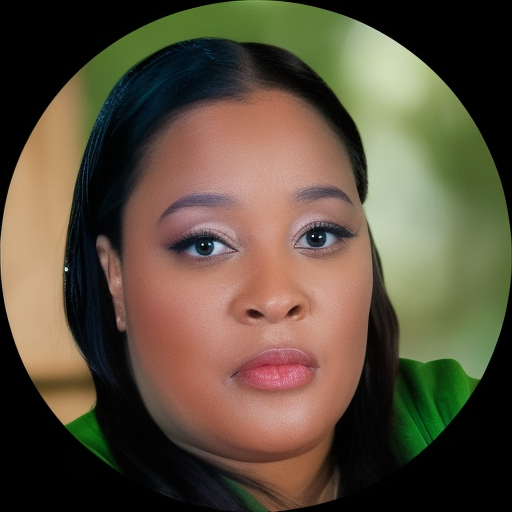
Dr. Javon Williams, LPC
Georgia · 17 years in practice
Dr. Javon Williams is a licensed professional counselor in Georgia with 17 years of experience.
License and registration
- LPC, Georgia
- LPC005575 · expires September 2026
- NPI
- 1770725277 · national provider identifier
- Years in practice
- 17
- Languages
- English
Details are as listed on the therapist's public professional profile. You can check the license with the issuing state board, and the NPI with the national registry.
About Javon
Dr. Javon Williams is a licensed professional counselor in Georgia with 17 years of experience. She supports people facing stress, anxiety, depression, trauma and abuse, low self-esteem, and major life transitions.
Her style is warm and direct, aimed at helping people take practical steps toward feeling better. She draws on Systemic Therapy to look at patterns in relationships and environments that affect wellbeing. She uses Client-Centered Therapy to create a respectful, nonjudgmental space where clients set the pace.
Background and approach
Cognitive Behavioral Therapy helps identify unhelpful thoughts and try different behaviors to reduce distress. Sessions typically begin by clarifying what matters most to the client and setting small, achievable goals. Dr.
Williams likes to use concrete tools - thought records, behavior experiments, and mindfulness practices - that clients can use between sessions. She also brings motivational interviewing techniques to help when people feel stuck or unsure about change. Her background includes a range of practice settings over nearly two decades, which shaped a flexible approach to different life challenges.
She pays attention to family of origin issues, communication problems, caregiver stress, and concerns like chronic illness or substance use when they show up in a person's story. People who work with her can expect straightforward feedback, practical strategies, and a focus on what can be changed now.
Sessions are offered in English and delivered online by video, phone, chat, or text messaging.
Focus areas and approaches
Everything Javon lists on their public professional profile, in their own terms.
- Stress, Anxiety
- Trauma and abuse
- Self esteem
- Depression
- Coping with life changes
- Abandonment
- Attachment issues
- Body image
- Caregiver issues and stress
- Chronic pain, illness, and disability
- Communication problems
- Coping with natural or human-caused disaster
- Divorce and separation
- Domestic violence
- Drug and alcohol addiction
- Family of origin issues
- Family problems
- Forgiveness
- Gender dysphoria
- Guilt and shame
- HIV / AIDS
- Isolation / loneliness
- Jealousy
- Life purpose
- Veteran and Armed Forces Issues
- Multicultural concerns
- Panic disorder and panic attacks
- Post-traumatic stress
- Prejudice and discrimination
- Seasonal Affective Disorder (SAD)
- Self-love
- Sexual assault and abuse
- Sexuality
- Social anxiety and phobia
- Traumatic brain injury
- Women's issues
- Workplace issues
- Young adult issues
Approaches Javon names
- Systemic Therapy
- Client-Centered Therapy
- Cognitive Behavioral Therapy (CBT)
- Mindfulness Therapy
- Motivational Interviewing
- Narrative Therapy
- Solution-Focused Therapy
Naming an approach is not evidence of training in it. This directory copies what each therapist lists and does not check training records.
Online support
How therapeutic approaches translate to online care
Systemic Therapy looks at patterns between people and environments to see how those connections affect daily life; it can help when relationship patterns or family history contribute to stress and repeated problems. Client-Centered Therapy emphasizes listening and letting the client lead the pace of work, creating space to talk through feelings and decide on next steps. Cognitive Behavioral Therapy focuses on identifying unhelpful thoughts and testing small behavior changes to reduce anxiety and low mood.Finding the right approach is part of the work together. The therapist will talk with the client about goals, preferences, and what has or hasn't helped before, and then suggest methods to try. That collaboration means approaches can be mixed or adjusted over time to match what the client needs and wants.
Online therapy offers flexible ways to meet. Video calls are useful for face-to-face conversation and exercises that benefit from seeing one another. Phone sessions can be easier when bandwidth is limited or when a shorter check-in fits a work break. Live chat and text-based messaging work well for brief updates, ongoing support between sessions, or when someone prefers writing to speaking. These options make it easier to fit therapy into a busy life while still using the therapist's chosen approaches.
We will earn a commission if you sign up through our link, at no cost to you. It does not change what you pay or the order of the listings.
Questions people ask
What kinds of concerns does this therapist address?
She helps people with stress, anxiety, depression, trauma and abuse, self-esteem, and coping with life changes. Additional areas include attachment issues, body image, caregiver stress, chronic illness, substance use concerns, and communication problems.
What is the therapist's general approach in sessions?
Sessions combine a systemic view of relationships with client-centered listening and practical CBT tools. Mindfulness and motivational interviewing are used as needed to support motivation and reduce reactivity.
How much experience does she have?
She has 17 years of professional experience working across varied settings, which informs a flexible and practical style.
What credentials and location are listed for this clinician?
She holds an LPC credential and practices as a licensed professional counselor in Georgia.
In which languages can sessions be held?
Sessions are offered in English.
What session formats are available for online work?
Sessions can be scheduled as video calls, phone sessions, live chat, or text-based messaging depending on the client's preference.
How does pricing work for sessions?
Cost varies with location and therapist scheduling; sessions are provided through a subscription model that can be canceled at any time.
How do I start a therapy arrangement?
Begin by selecting the Start Therapy button, completing a short matching questionnaire, and then scheduling a session according to therapist availability.
More therapists in Georgia
See allFarah Southwell
LPC
Support for anxiety, relationships, and life change
- Stress, Anxiety
- Relationship
- Family

Dr. Natalia Kuzmina
LMFT, LCMFT
Restoring boundaries and healthier relationships
- Stress, Anxiety
- Relationship
- Family

Cynthia (Cindy) Rozier
LCSW, CSW
Helping people navigate stress and relationships
- Stress, Anxiety
- Relationship
- Family

Sharion Phelps
LMFT
Compassionate relational therapy focused on practical change
- Stress, Anxiety
- Relationship
- Intimacy-related issues
Is this your profile?
Ask us to correct details or take the page down.
Contact us