Clinical social work directory
Therapists who work with Multicultural Concerns
362 therapists list multicultural concerns among the things they work with. All offer sessions online, and every profile shows the registering body, the membership number and when it runs to.
This page highlights therapists who focus on multicultural concerns, including identity, acculturation, and cultural stressors. Browse the listings below to review each practitioner's focus areas, approaches, languages, and experience.

Lauryn Harris
NCPS
Compassionate counsellor focused on relationships and trauma
- Addictions
- Relationship
- Family

Dr. Daniella Jackson
LMHC
Restoring control and hope in everyday life
- Stress, Anxiety
- Addictions
- Relationship

Edward Mcguinness
BACP
Straightforward counselling focused on practical change
- Stress, Anxiety
- Relationship
- Trauma and abuse

Dr. Sung Ho Kim
NY Psychoanalyst
Experienced clinician guiding steady change
- Stress, Anxiety
- Relationship
- Trauma and abuse

Angelle Escousse
LCSW
Experienced LCSW focused on relationships and mood
- Stress, Anxiety
- Relationship
- Family

Gill Brown
BACP
Gentle, practical support for life’s difficult moments
- Stress, Anxiety
- Relationship
- Trauma and abuse

Farah Southwell
LPC
Support for anxiety, relationships, and life change
- Stress, Anxiety
- Relationship
- Family

Najma Haja Alaudeen
AASW
Compassionate, practical therapy for everyday life
- Stress, Anxiety
- Trauma and abuse
- Self esteem

Barry Dolan
NCPS
Counselling that focuses on patterns and practical steps
- Stress, Anxiety
- Addictions
- Grief

Dr. Deborah Bailey
LMFT
Compassionate systems-focused therapy for everyday life
- Stress, Anxiety
- Relationship
- Parenting

Wing Yau
BACP
Compassionate counsellor for life and relationship change
- Stress, Anxiety
- Relationship
- Anger

Foluso Orebiyi
BACP
Calm person-centred counsellor with systemic focus
- Stress, Anxiety
- Family
- Trauma and abuse

PJ Sangalang
BACP
Supportive counsellor for stress and relationships
- Stress, Anxiety
- Relationship
- Family

Faith Chideya
AASW
Practical, collaborative online therapy for change
- Stress, Anxiety
- Family
- Trauma and abuse


Alejandro Holguin
LCSW
Practical, collaborative help for life changes
- Stress, Anxiety
- Relationship
- Anger

Dr. Andreia Santo
HCPC
Calm, practical support for life’s challenges
- Stress, Anxiety
- Addictions
- Relationship

Tracey Sherron-Spies
LMFT
Relationship-focused therapist helping families heal
- Relationship
- Family
- Stress, Anxiety



Lorraine Roberts
BACP
Practical, warm counselling for everyday struggles
- Stress, Anxiety
- Relationship
- Trauma and abuse


Quintell Price-Turner
LCSW
Compassionate, practical therapy for relationship patterns
- Family
- Trauma and abuse
- Parenting

Robert Paynter
NCPS
Experienced systemic counsellor for practical change
- Stress, Anxiety
- Addictions
- LGBT

Hamida Parkar
AASW
Compassionate, practical support for life’s hard moments
- Stress, Anxiety
- Relationship
- Trauma and abuse

Sidonia Stiles
BACP
Experienced relational counsellor for life's difficult moments
- Stress, Anxiety
- Relationship
- Grief

Ethel-Caroline Miman
AASW
Practical support for stress, trauma and life change
- Stress, Anxiety
- Trauma and abuse
- Grief

Chris Sergeant
BACP
Helping adults with relationship and life challenges
- Stress, Anxiety
- Relationship
- Family

Debby Sawyer
LIMHP
Experienced, practical therapist who listens
- Stress, Anxiety
- Trauma and abuse
- Self esteem

Dr. Edward Varner
LPC-MHSP
Practical, values-aware therapy for complex life challenges
- Relationship
- Trauma and abuse
- Self esteem
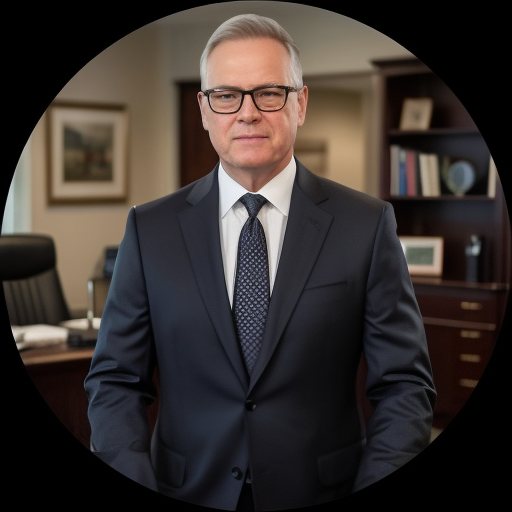
Chabreah Alston
LMHC
Compassionate therapist focused on relationships and resilience
- Stress, Anxiety
- LGBT
- Relationship

Darlene Kelly
LCSW
Compassionate systemic therapy for real-life change
- LGBT
- Trauma and abuse
- Parenting


Jasmine Gaines
LPC
Practical, relationship-aware therapy for life challenges
- Stress, Anxiety
- Family
- Trauma and abuse

Jo Reidy
BACP
Experienced UK counsellor for relationship and emotional challenges
- Stress, Anxiety
- Addictions
- Trauma and abuse

Liisa Hiltunen
PACFA
Practical systemic counselling for life transitions
- Stress, Anxiety
- Relationship
- Self esteem


Michele San Martin
LPC
Collaborative, practical therapy for everyday challenges
- Stress, Anxiety
- Relationship
- Trauma and abuse

Carla Morris
LCPC
Compassionate counselor for stress and life changes
- Stress, Anxiety
- Trauma and abuse
- Depression

Chheayudh Chhon
BACP
Gentle, practical counselling with mindfulness
- Stress, Anxiety
- Trauma and abuse
- Grief

Linda Hazel
LMFT
Experienced systemic therapist focused on relationships
- Addictions
- Relationship
- Family


Dr. Natalia Kuzmina
LMFT, LCMFT
Restoring boundaries and healthier relationships
- Stress, Anxiety
- Relationship
- Family

LaDreamer Harrison
LCSW
Collaborative therapist focusing on relationships and coping
- Relationship
- Family
- Trauma and abuse

Josephine Lane
NCPS
Practical, person-centred counselling for everyday struggles
- Stress, Anxiety
- Relationship
- Grief

Rupinder Sagoo
BACP
Integrative counsellor blending practical and whole-person care
- Stress, Anxiety
- Relationship
- Grief

Vanessa Putnam
BACP
Calm, practical counselling for life transitions
- Stress, Anxiety
- Relationship
- Family

Some links on this page are partner links. We will earn a commission if you sign up through one, at no cost to you. It does not change what you pay or the order of the listings.
What multicultural concerns means and how it can affect you
Multicultural concerns refer to the emotional, relational, and practical difficulties that arise where culture, ethnicity, race, religion, language, immigration history, gender identity, socioeconomic status, or other identity factors interact with personal life. If you navigate multiple cultural expectations, feel tension between family traditions and your personal values, or experience microaggressions and discrimination in work or social settings, these pressures can shape your mood, relationships, sense of belonging, and daily functioning. Culture is not only a backdrop; it actively influences how you interpret stress, ask for help, and practice coping. That means challenges tied to culture often look different from one person to another, even within the same family. You might find that ordinary problems - such as conflict with a partner, difficulty at school, or anxiety about career decisions - are intensified or complicated by cultural expectations, language barriers, or past experiences of exclusion.
How identity and cultural context interact
Your identity is formed in relationship to the communities you belong to, the stories you inherit, and the systems that shape opportunity and safety. When those elements conflict - for example, when your personal values diverge from familial expectations or when your cultural expression is misunderstood by others - distress can follow. Therapy that focuses on multicultural concerns pays attention not only to symptoms but also to context, acknowledging that healing often involves finding ways to honor multiple parts of your identity while navigating external pressures.
Signs you might benefit from therapy for multicultural concerns
There are many reasons you might search for a therapist with a multicultural focus. You may feel isolated or misunderstood by peers or providers who do not share your cultural background. You might be experiencing chronic stress tied to discrimination, identity-related shame, or ongoing marginalization. These experiences can show up as anxiety, low mood, anger, difficulty concentrating, strained family relationships, or a sense of being stuck between cultural expectations. Sometimes the indicators are relational: recurrent conflicts about cultural values with a partner or parent, confusion about religious or spiritual roles, or tension between professional goals and community responsibilities. Other times the signs are practical - challenges in navigating immigration systems, language-related communication barriers, or adapting to life in a new cultural environment.
When cultural stress intersects with other life events
If you are managing life transitions - moving to a new country, coming out in a community with restrictive norms, caring for aging relatives who expect certain roles - cultural tensions can compound the strain. You may also notice subtle, cumulative effects like a persistent sense of hypervigilance in public spaces or recurring feelings of being undervalued at work. These signs do not mean your experience is not valid; they are signals that focused support could help you develop strategies to cope, communicate your needs, and stabilize your sense of self in complex cultural settings.
What to expect in therapy focused on multicultural concerns and common approaches
In sessions that address multicultural concerns, therapists typically begin by asking about your cultural background, family history, language preferences, and how identity shapes your daily life. You can expect a collaborative conversation where your experiences are explored within cultural and systemic contexts rather than taken as isolated symptoms. Early work often involves building rapport and creating a safe setting for difficult topics, while later sessions may focus on skills for boundary-setting, stress management, processing discrimination, or reconciling competing values.
Therapeutic approaches you may encounter
Therapists working in this area draw on a range of approaches to fit individual needs. Some emphasize cognitive-behavioral strategies to address anxiety and mood by identifying thought and behavior patterns that are influenced by cultural messages. Others use narrative approaches that explore the stories you were told about identity and belonging, helping you rewrite narratives that feel limiting. Psychodynamic perspectives may examine how intergenerational patterns and cultural expectations shape current relationships. You may also find therapists who integrate multicultural counseling frameworks that explicitly address power, privilege, and systemic forces. Additionally, therapists may list mindfulness-informed practices to build present-moment coping, or therapists who list EMDR among their approaches when trauma is a central concern. The common thread is attention to the cultural meaning of symptoms and to strategies that honor your identity while supporting change.
How online therapy works for multicultural concerns
Online therapy can expand your options when you are seeking clinicians who understand your cultural background, speak your preferred language, or specialize in particular identity-related issues. Virtual sessions allow you to connect with professionals beyond your immediate geographic area, which can be especially helpful if local resources feel limited or if you prefer a provider with specific experience. The technology typically involves video sessions, messaging, or phone calls, and many therapists adapt their methods to work effectively through these modes. When working online you can expect many of the same therapeutic goals - processing experiences, learning coping skills, and strengthening relationships - while taking advantage of the flexibility that remote sessions offer.
Considerations for online therapy
When choosing online care, think about language compatibility, cultural familiarity, and the communication style that helps you feel heard. Some people find it easier to disclose sensitive experiences from the privacy of their home, while others prefer an in-person setting for the sense of presence it provides. Regardless of format, discuss how sessions will be structured, how emergencies are handled, and what mediums your therapist uses for communication between sessions. These practical conversations help you understand how online work will support your goals in a way that respects your context and identity.
Tips for choosing the right therapist for multicultural concerns
Finding a therapist who fits your needs is a personal process. Start by identifying what matters most to you - cultural or linguistic affinity, experience with specific identity issues, interest in family- or community-oriented approaches, or familiarity with immigration and acculturation challenges. Look at profiles to compare focus areas, approaches, credentials, languages spoken, and descriptions of how clinicians conceptualize culture in clinical work. Reading provider statements can give you a sense of whether they honor intersectional identities and whether they explicitly address the dynamics of power and belonging. You may also value a therapist who mentions experience with intergenerational conflict, religious or spiritual issues, or identity development across the life span.
Questions to guide your choice
As you review profiles, consider how a therapist talks about cultural humility, how they describe collaboration with clients, and whether they mention working with communities similar to yours. You might prioritize someone who lists therapeutic approaches that resonate with you, while keeping in mind that a listed approach is a description of what a therapist uses rather than an assurance of formal certification. Trust your sense of fit: feeling understood and respected in the initial interactions is often as important as specific theoretical orientations. Finally, give yourself permission to look through several profiles and to take time deciding who feels like the right match for this work.
Therapy for multicultural concerns is about more than treating symptoms - it is about supporting you to navigate identity, relationships, and systems with greater clarity and agency. Whether you choose online or in-person work, the aim is to find a clinician who listens to your story, honors your cultural context, and partners with you to build strategies that support a more integrated and resilient sense of self.