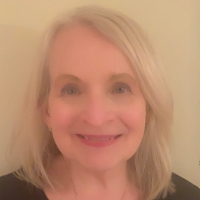
Lauryn Harris
NCPS
Compassionate counsellor focused on relationships and trauma
- Addictions
- Relationship
- Family
Clinical social work directory
366 therapists list Internal Family Systems among the ways they work. Naming an approach is not evidence of training in it, so ask directly how they use it.
Internal Family Systems is a therapy model that explores the different parts within a person and how they relate to your core Self. Below you can browse therapists who list Internal Family Systems among their approaches and view profiles to help find a fit.
NCPS
Compassionate counsellor focused on relationships and trauma
LMHC
Restoring control and hope in everyday life
BACP
Straightforward counselling focused on practical change
NY Psychoanalyst
Experienced clinician guiding steady change
LMFT
Systemic-focused therapist for life transitions
LCSW
Experienced LCSW focused on relationships and mood
LICSW, LCSW
Experienced LICSW offering steady, practical support
AASW
Compassionate, practical therapy for everyday life
AASW
Warm AASW social worker using systemic perspectives
NCPS
Counselling that focuses on patterns and practical steps
BACP
Calm, practical therapy for life and relationships
LMFT
Compassionate systems-focused therapy for everyday life
BACP
Compassionate counsellor for life and relationship change
BACP
Calm person-centred counsellor with systemic focus
BACP
Calm, practical support for everyday struggles
AASW
Practical, collaborative online therapy for change
LPC
Compassionate counselor helping people find steadiness
BACP
Practical, warm counselling for everyday struggles
LMFT
Compassionate therapist who helps people change patterns
AASW
Compassionate, practical support for life’s hard moments
LPC-MHSP
Practical, values-aware therapy for complex life challenges
LCSW
Compassionate systemic therapy for real-life change
BACP
Supportive counsellor for life and relationship change
LPC
Practical, relationship-aware therapy for life challenges
BACP
Experienced UK counsellor for relationship and emotional challenges
PACFA
Practical systemic counselling for life transitions
LPC
Collaborative, practical therapy for everyday challenges
LCPC
Compassionate counselor for stress and life changes
BACP
Gentle, practical counselling with mindfulness
LMFT
Experienced systemic therapist focused on relationships
BACP
A warm relational therapist who focuses on lasting change
LMFT, LCMFT
Restoring boundaries and healthier relationships
LCSW
Practical guidance for life transitions and emotions
BACP
Calm, practical support for everyday struggles
LPCC, LPC
Compassionate counselor guiding steady change
LMFT
Compassionate therapist focused on relationships and resilience
Some links on this page are partner links. We will earn a commission if you sign up through one, at no cost to you. It does not change what you pay or the order of the listings.
Internal Family Systems, often abbreviated as IFS, is a framework that understands the mind as made up of multiple parts, each with its own feelings, beliefs and roles. The approach centers on the idea that you have a central, healing presence often called the Self, which can lead internal change when supported. Rather than viewing internal experiences as flaws to be eliminated, IFS encourages curiosity toward parts that protect or react, and compassion toward parts shaped by past events.
Within this model you will hear terms like managers, firefighters and exiles used to describe common role-based patterns - managers organize daily life and keep you functional, firefighters react strongly to push painful feelings away, and exiles hold memories and emotions that feel overwhelming. The aim is not to suppress or eradicate these parts but to understand their motivations and reduce conflict between them, so your Self can take a guiding role. Therapists who list Internal Family Systems among their approaches typically emphasize empathy, internal dialogue and gradual integration as pathways to change.
You will find Internal Family Systems applied to a wide range of concerns because it focuses on internal dynamics that underlie many forms of distress. Many people explore IFS for trauma-related symptoms, recurring negative beliefs, chronic anxiety or depression, and difficulties in relationships. Because it attends to how different parts respond to stress and attachment wounds, it is often used by people working with grief, shame, self-criticism and patterns that interfere with intimacy or work life.
In addition to emotional and relational challenges, some people use this approach when coping with behavioral patterns they want to change - for example, avoidance, substance use, or impulsive responses that feel out of alignment with their goals. IFS is sometimes chosen when you want a treatment that puts experience and inner experience at the center, encouraging you to develop a kinder relationship with yourself as a route to lasting change. Therapists listing IFS may combine it with other orientations when tailoring work to your needs.
An IFS session generally begins with establishing a calm, respectful tone so you can notice internal experience without feeling overwhelmed. You might spend time grounding and orienting before the therapist invites you to notice which parts are most active in the moment. Sessions are conversational, often exploring how a part feels, what it believes it needs, and the history that shaped its responses. The therapist's role is to guide this inner exploration while helping you access your Self - the curious, compassionate stance that can listen to parts and negotiate change.
Throughout a session you may be asked to engage directly with a part by noticing its sensations, listening to its concerns or asking it questions. This is done at a pace you can tolerate, with attention to safety and stabilization. Some sessions include imagery or inner dialogues, while others focus on linking present reactions to past experiences and exploring what an active part is protecting you from. Over time the aim is to reduce polarizations between parts, so protective responses soften and exiled parts can be heard and healed.
IFS differs from many therapies in its explicit use of a pluralistic internal map and its emphasis on accessing Self leadership rather than simply changing behavior or correcting thoughts. For example, cognitive-behavioral approaches focus primarily on changing unhelpful thoughts and behaviors through structured techniques, while psychodynamic work emphasizes unconscious patterns and relational history. IFS bridges these concerns by offering a relational way to engage inner dynamics, combining present-focused attention with an exploratory stance toward history and meaning.
Another difference lies in the therapeutic stance. IFS encourages you to lead from a compassionate, curious Self, treating internal parts as valued members of an internal system rather than symptoms to be eliminated. This can shift the experience of therapy from directive problem-solving into a collaborative exploration. At the same time, therapists who list IFS among their approaches may integrate practical strategies from other models where helpful, so you may notice elements of skills training, behavioral work or trauma-focused practices woven into an IFS-oriented plan.
IFS can be appropriate for people who are comfortable exploring inner experience at their own pace and who want a relational, process-oriented therapy. If you are curious about why certain patterns repeat, how emotional parts influence choices, or how to cultivate a kinder relationship with yourself, you might find this model helpful. It can be especially useful when traditional talk therapy has felt too focused on symptom reduction without addressing the internal dynamics that maintain those symptoms.
That said, not everyone will find IFS the right fit. If you prefer highly structured, skills-based programs or brief symptom-focused work, other approaches may suit you better. You should also expect that work with parts can bring up strong feelings at times; a therapist listing IFS among their approaches should be able to help you manage intensity and use stabilization strategies. Over sessions many people report greater self-awareness, improved emotion regulation and clearer access to values and goals, but responses vary and progress depends on multiple factors including the working relationship and the pace that fits you.
When searching for a clinician who uses Internal Family Systems, start by looking for therapists who list Internal Family Systems among their approaches so you know it is part of their stated orientation. Read profiles to learn about their theoretical focus, experience with related issues you care about, and the populations they work with. Pay attention to professional credentials and licensure, languages offered, session formats such as in-person or teletherapy, and practical considerations like fees and insurance policies. These details help you narrow choices based on what matters most to you.
In addition to profile information, consider how a therapist describes their approach to parts work - do they emphasize collaboration, pacing and stability? Do they discuss how they integrate IFS with other therapeutic tools you find helpful? You may prepare a short list of questions to ask in an initial message or consultation, such as how they approach strong emotions, what a first few sessions typically focus on, and how they support clients in navigating intense memories. Trust your sense of fit - a therapist's communication and willingness to explain their approach can be as important as specific modalities they list.
Finally, give yourself permission to try a few sessions and reflect on how the approach aligns with your needs. Finding a clinician who lists Internal Family Systems among their approaches is one step; deciding whether the therapeutic style, pace and relationship feel right for you is the next. With thoughtful searching and clear communication about your goals, you can identify a clinician whose approach offers a constructive path forward.