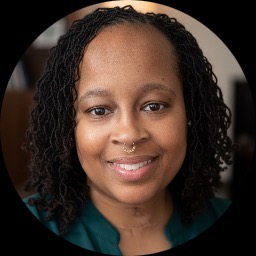
Alissa Bohmann, LPC
Wisconsin · 11 years in practice
Alissa Bohmann, LPC, offers a calm, practical approach for people facing stress, anxiety, grief, relationship strain, addiction, and major life changes.
License and registration
- LPC, Wisconsin
- 6315-125 · expires February 2027
- NPI
- 1528466000 · national provider identifier
- Years in practice
- 11
- Languages
- English
Details are as listed on the therapist's public professional profile. You can check the license with the issuing state board, and the NPI with the national registry.
About Alissa
Alissa Bohmann, LPC, offers a calm, practical approach for people facing stress, anxiety, grief, relationship strain, addiction, and major life changes. She acknowledges how hard it can be to begin therapy and aims to make the first steps feel manageable. Sessions focus on understanding what brings someone in now and building workable tools to cope and move forward.
Alissa draws from several ways of working rather than a single method.
Background and approach
She pays attention to how early relationships shape present behavior and to patterns that repeat in daily life. That perspective helps uncover connections between past experience and current struggles. She also values a strengths-based stance and looks for existing skills people can use right away.
Her background includes 11 years in clinical work and practice as a licensed professional counselor in Wisconsin. Alissa has concentrated attention on issues tied to adoption and foster care, and on questions of identity that arise from those experiences. She completed additional training through the Center for Adoption Support and Education related to adoption-informed care.
In sessions she mixes practical techniques with conversation aimed at greater understanding. Some days the work centers on changing thoughts and habits, and other days it focuses on deeper life meaning and attachment patterns. The goal is to leave each session with a clearer plan or a small step that feels doable.
Alissa offers video, phone, live chat, and text-based messaging sessions, and she works with people across state lines. She aims to collaborate with each person to find a pace and style that suit their life.
Focus areas and approaches
Everything Alissa lists on their public professional profile, in their own terms.
- Stress, Anxiety
- Family conflicts
- Trauma and abuse
- Depression
- Coping with life changes
- Addictions
- Relationship issues
- Grief
- Intimacy-related issues
- Parenting issues
- Anger management
- Career difficulties
- Bipolar disorder
- Coaching
- Compassion fatigue
- ADHD
- Abandonment
- Adoption and foster care
- Aging and geriatric issues
- Attachment issues
- Blended family issues
- Cancer
- Caregiver issues and stress
- Co-morbidity
- Codependency
- Commitment issues
- Communication problems
- Control issues
- Coping with natural or human-caused disaster
- Divorce and separation
- Emptiness
- Family of origin issues
- Family problems
- Fatherhood issues
- Fertility issues
- First responder issues
- Forgiveness
- Guilt and shame
- Hoarding
- Immigration issues
- Impulsivity
- Infidelity
- Isolation / loneliness
- Jealousy
- Life purpose
- Midlife crisis
- Money and financial issues
- Mood disorders
- Multicultural concerns
- Narcissism
- Obsessions, compulsions, and OCD
- Panic disorder and panic attacks
- Polyamory / non-monogamous relationships
- Postpartum depression
- Post-traumatic stress
- Prejudice and discrimination
- Seasonal Affective Disorder (SAD)
- Self-love
- Sexual assault and abuse
- Social anxiety and phobia
- Traumatic brain injury
- Women's issues
- Workplace issues
- Young adult issues
Approaches Alissa names
- Systemic Therapy
- Attachment-Based Therapy
- Client-Centered Therapy
- Cognitive Behavioral Therapy (CBT)
- Existential Therapy
- Gottman Method
- Jungian Therapy
- Mindfulness Therapy
- Motivational Interviewing
- Narrative Therapy
- Psychodynamic Therapy
- Solution-Focused Therapy
- Trauma-Focused Therapy
- Internal Family Systems
Naming an approach is not evidence of training in it. This directory copies what each therapist lists and does not check training records.
Online support
Therapeutic approaches and how online sessions can help
Alissa uses Attachment-Based Therapy to look at how early relationships influence current patterns. This approach helps people understand closeness, trust, and recurring reactions in relationships and can be useful for intimacy-related and abandonment concerns.She also employs Client-Centered Therapy, which focuses on listening without judgment and responding to the person in front of her. That approach helps people feel heard and supported while deciding the pace and direction of their work.
Finding the right approach is part of the journey. Alissa collaborates with each person to select or blend methods based on their needs, goals, and preferences. She will check in about what is working and adjust the plan together over time.
Online therapy offers practical benefits for many people. Video calls allow face-to-face conversation and nonverbal cues when that is helpful. Phone sessions work well when bandwidth is limited or a shorter check-in is needed. Live chat and text-based messaging give flexible, ongoing ways to touch base between sessions. These options make it easier to fit therapy into busy schedules and to maintain momentum between appointments.
We will earn a commission if you sign up through our link, at no cost to you. It does not change what you pay or the order of the listings.
Questions people ask
What kinds of concerns does she help with?
She works with stress, anxiety, depression, trauma and abuse, grief, addiction, relationship and intimacy issues, parenting strain, career concerns, ADHD, bipolar concerns, and related struggles.
How would you describe her therapy style?
Her style is conversational and practical, mixing attachment-focused exploration with client-centered listening and cognitive-behavioral techniques as needed.
What is her professional background?
She has 11 years of experience in clinical work and has pursued additional training through the Center for Adoption Support and Education.
Where is she licensed and based?
She is a Licensed Professional Counselor, credentialed as LPC in Wisconsin.
In what languages can sessions be held?
Sessions are offered in English, and she also accepts international clients.
What session formats are available?
Sessions can be scheduled as video calls, phone sessions, live chat, or text-based messaging to fit different needs and routines.
How are sessions paid for and what do they cost?
Costs vary with location and therapist availability; sessions use a subscription model that can be canceled at any time.
How do I get started with therapy?
Begin by selecting the Start Therapy button, completing a short matching questionnaire, and then scheduling sessions based on the therapist's availability.
More therapists in Wisconsin
See allErin Spensley
LPC
Compassionate counselor focused on relationships and growth
- Stress, Anxiety
- Relationship
- Trauma and abuse

Jasmine Gaines
LPC
Practical, relationship-aware therapy for life challenges
- Stress, Anxiety
- Family
- Trauma and abuse



Is this your profile?
Ask us to correct details or take the page down.
Contact us