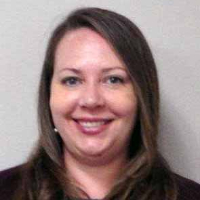
Erin Spensley
LPC
Compassionate counselor focused on relationships and growth
- Stress, Anxiety
- Relationship
- Trauma and abuse
Clinical social work directory
11 therapists in this directory hold a licence issued in Wisconsin and name systemic therapy among their approaches. Sessions are online; a US therapist can usually only see people in a state where they hold a licence, so check the credentials panel on each profile.
Welcome to our directory of online therapists serving Wisconsin. All therapists listed here are licensed in Wisconsin and many note a range of approaches and languages. Explore the profiles below to learn about specialties, professional backgrounds, and approaches that may fit your needs.
LPC
Compassionate counselor focused on relationships and growth
LPC
Practical, relationship-aware therapy for life challenges
LMFT
Therapist focusing on practical change
LCSW
Compassionate, practical counseling for real-life challenges
LPC
Helping people build practical coping skills and understanding
LPC
Gentle, relationship-focused counseling for life changes
LPC
Calm, practical support for life’s hard moments
LPC
Compassionate counselor focusing on practical change
LPC
Experienced counselor focused on practical change
Some links on this page are partner links. We will earn a commission if you sign up through one, at no cost to you. It does not change what you pay or the order of the listings.
Online therapy has become an established option for residents across Wisconsin, offering a way to connect with a licensed clinician without the need to travel to an office. State regulations allow licensed mental health professionals to provide services remotely to people who are located in Wisconsin, and many clinicians present detailed profiles that describe the modalities they use, populations they work with, and the languages they speak. When you search listings, you will find therapists who list a variety of approaches, from cognitive and behavioral methods to family systems work and mindfulness-based strategies. Each profile typically outlines a clinician's stated areas of focus, their educational background, and the kinds of issues they commonly support. This makes it easier for you to identify therapists whose stated interests align with what you are seeking, while state licensing boards remain the authoritative source for verification of licensure and discipline history.
Online therapy can provide several practical benefits if you live in Wisconsin. You may save time otherwise spent commuting, and remote sessions can be scheduled around work, school, or caregiving responsibilities. For people in rural communities or smaller towns, online options widen the pool of clinicians you can consider beyond nearby offices. The format also allows you to look for therapists who list specific languages or cultural competencies that match your needs, which can be important for clear communication and rapport. Some individuals prefer the comfort of meeting from their own home or another familiar setting, while others appreciate the ability to maintain privacy about attending therapy when local in-person options are limited. Technology choices range from video sessions that mimic an in-person conversation to phone sessions when video is not practical, and many therapists note the platforms they use on their profiles. As you evaluate online care, consider what setting and format help you feel most at ease and enable honest, consistent participation.
Therapists offering services online in Wisconsin address a wide spectrum of concerns. Many clinicians work with anxiety and mood-related challenges that can impact daily functioning, and others describe experience supporting people who are navigating relationship difficulties, family transitions, or parenting concerns. Trauma-related distress and grief are frequently listed areas of focus, along with stress management and coping strategies for life changes such as career shifts, relocation, or chronic health conditions. Some therapists highlight work with identity, cultural, or LGBTQ-related issues, and others list approaches geared toward couples or family dynamics. If you have a specific concern, look for profiles that mention that area as a focus and read how a clinician describes their approach. You may also find therapists who list particular methods among their approaches, such as cognitive-behavioral techniques, interpersonal therapy, or therapists who list EMDR among their approaches. These descriptors help you narrow choices, but they do not substitute for asking a clinician directly about their experience and methods during an initial conversation.
Verifying a therapist's license is an important step when exploring online care. The Wisconsin Department of Safety and Professional Services maintains licensing records for many types of mental health professionals, and an online lookup tool allows you to check whether a clinician holds an active Wisconsin license and to view public enforcement actions if any exist. To use these resources, you typically search by the clinician's full name or license number, which you can often find on their profile. The licensing record will indicate the license type, the issuing date, and whether the license is active or has any restrictions. If you are unsure about how to interpret a record, the licensing board can often provide clarification about credentialing terminology. In addition to board records, many therapists include degree information and professional affiliations on their profiles, which can give context about their training pathway. Remember that a profile statement about an approach does not serve as proof of specialized certification, so the licensing lookup and direct questions remain the most reliable ways to confirm licensure and professional standing.
Beginning with online therapy usually starts with identifying a few clinicians whose profiles resonate with you. Read descriptions carefully to understand the populations they describe working with and the types of issues they state they address. Many therapists list the formats they offer, such as video or phone sessions, and may note the languages they speak. When you reach out to a clinician, a brief introductory exchange can clarify logistical questions like session length, fees, and what to expect in an initial meeting. Even though profiles provide useful background, an initial conversation is a practical way to get a sense of the clinician's communication style and whether you feel comfortable engaging with them.
Choosing a therapist is a personal process that involves both practical and interpersonal considerations. Think about the characteristics that matter most to you - for example, a clinician who lists experience with your main concern, someone who speaks your preferred language, or a therapist whose described approach aligns with your preferences for structured or exploratory work. Pay attention to how a therapist talks about goals and outcomes on their profile; some clinicians describe short-term, skills-based work while others emphasize long-term exploration. You might also note whether a clinician mentions working with particular age groups or family structures if those factors are relevant. After an initial conversation, reflect on how comfortable you felt discussing sensitive topics and whether the clinician listened and responded in a way that fit your expectations. It is normal to try more than one professional before finding the best match for you.
Before starting sessions, check practical details that affect your experience. Confirm the technological requirements - such as a browser, app, or phone access - and think about where you will log in so you have a quiet and interruption-free place to talk. Consider your budget and ask about fee structure, sliding scales, or payment methods if those options are important. If insurance matters to you, ask whether the therapist provides documentation you can submit for out-of-network reimbursement or whether they list participation with any insurer. Lastly, clarify how clinical records, appointment reminders, and cancellations are handled to set expectations for communication. These steps can help you start work with a clearer sense of logistics and create space to focus on the therapeutic conversation itself.
Finding an online therapist in Wisconsin involves exploring profiles, verifying licensure, and weighing both practical and interpersonal factors. Taking the time to read descriptions and ask questions helps you identify therapists who list the approaches and experience you are seeking. When you are ready, a short introductory exchange can help you determine whether a clinician is a good fit for your needs and preferences.