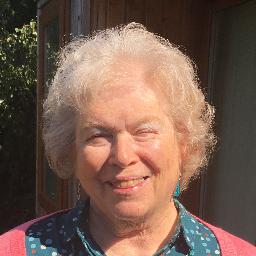
Dr. Ruth Alice Morgan-Jones, BACP
40 years in practice
Dr. Ruth Alice Morgan-Jones brings four decades of professional experience to her practice.
License and registration
- BACP
- 13516 · expires October 2026
- Years in practice
- 40
- Languages
- English
Details are as listed on the therapist's public professional profile. You can check the registration with the body that granted it.
About Ruth
Dr. Ruth Alice Morgan-Jones brings four decades of professional experience to her practice. She trained first as a social worker and later completed a PhD at the London School of Economics.
She is a BACP member and has run a charity focused on people with special needs and their families. She now works from a independent practice in the United Kingdom and offers support in English. Her background includes family therapy training and long experience with relationship difficulties.
Background and approach
She began with psychodynamic training and later drew on ideas from Carl Rogers, C G Jung, and systemic thinking. This gives her a broad set of ways to look at problems. She also researched the effects of hearing loss on family life and wrote about it, and she is an adept lipreader.
In sessions she aims to help people feel heard and to strengthen their ability to handle the next stage of life. She often focuses on relationship, parenting, grief, trauma, anxiety, depression and issues around identity and intimacy. Her work also covers practical concerns like sleep, eating and career stress.
She has a special interest in intercultural relationships and has researched this area. For the past decade she has provided diversity training to charities and agencies and is currently writing a book on intercultural couples. Her approach is flexible and collaborative.
She draws on attachment-based ideas, narrative work and client-centred practice alongside systemic reflections. Sessions are tailored to each person's needs and aim to build clearer communication and healthier patterns over time.
Focus areas and approaches
Everything Ruth lists on their public professional profile, in their own terms.
- Relationship issues
- Family conflicts
- Grief
- Parenting issues
- Anger management
- Stress, Anxiety
- LGBT
- Trauma and abuse
- Intimacy-related issues
- Eating disorders
- Sleeping disorders
- Self esteem
- Career difficulties
- Bipolar disorder
- Depression
- Coping with life changes
- Compassion fatigue
- ADHD
- Abandonment
- Adoption and foster care
- Aging and geriatric issues
- Attachment issues
- Autism and Asperger Syndrome
- Avoidant personality
- Blended family issues
- Body image
- Cancer
- Caregiver issues and stress
- Chronic pain, illness, and disability
- Codependency
- Commitment issues
- Communication problems
- Control issues
- Coping with natural or human-caused disaster
- Divorce and separation
- Domestic violence
- Family of origin issues
- Family problems
- Fatherhood issues
- Fertility issues
- Forgiveness
- Gender dysphoria
- Guilt and shame
- Hearing impaired
- HIV / AIDS
- Hoarding
- Hospice and end-of-life counseling
- Immigration issues
- Infidelity
- Intellectual disability
- Isolation / loneliness
- Jealousy
- Life purpose
- Men's issues
- Midlife crisis
- Veteran and Armed Forces Issues
- Multicultural concerns
- Narcissism
- Obsessions, compulsions, and OCD
- Panic disorder and panic attacks
- Paranoia
- Phobias
- Polyamory / non-monogamous relationships
- Postpartum depression
- Pregnancy and childbirth
- Prejudice and discrimination
- Seasonal Affective Disorder (SAD)
- Self-harm
- Self-love
- Sexual assault and abuse
- Sexual dysfunction
- Sexuality
- Social anxiety and phobia
- Somatization
- Visually impaired
- Women's issues
- Workplace issues
- Young adult issues
Approaches Ruth names
- Systemic Therapy
- Attachment-Based Therapy
- Client-Centered Therapy
- Jungian Therapy
- Narrative Therapy
- Psychodynamic Therapy
- Trauma-Focused Therapy
- Internal Family Systems
Naming an approach is not evidence of training in it. This directory copies what each therapist lists and does not check training records.
Online support
How her approaches translate to online work
Her work draws on systemic thinking, attachment-based ideas and client-centred practice. Systemic thinking looks at patterns between people and helps spot how repeated interactions keep problems going; it can be useful for relationship and family concerns. Attachment-based ideas focus on how early bonds shape current reactions and can help with intimacy, separation and trust issues. Client-centred practice puts the person at the heart of sessions and emphasises listening and respect to help clients find their own solutions.Choosing the right approach is part of the therapeutic process. The therapist will talk with the client about their needs, goals and preferences and then try different ways of working. This is a collaborative journey where methods are adjusted as progress and challenges become clearer.
Online formats make that collaboration more flexible. Video calls are close to face-to-face work and help when visual cues matter. Phone sessions can be useful when bandwidth is limited or when someone prefers audio only. Live chat and text-based messaging suit short check-ins, reflective writing tasks or people who find typing easier than speaking. These options help fit therapy around work, travel and other commitments.
We will earn a commission if you sign up through our link, at no cost to you. It does not change what you pay or the order of the listings.
Questions people ask
What concerns can Dr Morgan-Jones help with?
She supports people with relationship and family difficulties, grief, parenting stress, anger, anxiety, depression and trauma. Her work also covers sleep and eating issues, career stress, bipolar and concerns around intimacy and self-esteem.
What is her therapeutic style like?
Her style is warm and collaborative. She uses client-centred listening alongside systemic and narrative ideas to help people make sense of their relationships and patterns.
How much experience does she have?
She has worked in counselling and related fields for around 40 years, including founding and leading a charity for people with special needs and their families.
What credentials and location are relevant?
She is a member of the British Association for Counselling and Psychotherapy (BACP) and practises from the United Kingdom.
Which languages are supported and can international clients join?
Sessions are offered in English and she accepts international clients.
What session formats are available?
She offers video calls, phone sessions, live chat and text-based messaging to suit different needs and schedules.
How does payment and cost work?
Cost varies with location and therapist arrangements. Sessions are provided through a subscription model that can be cancelled at any time.
How do I begin working with her?
Click the Start Therapy button, complete a short matching questionnaire, and then schedule sessions according to the therapist's availability.
Is this your profile?
Ask us to correct details or take the page down.
Contact us