
Dr. Penny Brower, LCPC
Illinois · 34 years in practice
Dr. Penny Brower uses a systemic perspective to look at how relationships and patterns shape a person's life.
License and registration
- LCPC, Illinois
- 180.001847 · expires March 2027
- NPI
- 1780605816 · national provider identifier
- Years in practice
- 34
- Languages
- English
Details are as listed on the therapist's public professional profile. You can check the license with the issuing state board, and the NPI with the national registry.
About Penny
Dr. Penny Brower uses a systemic perspective to look at how relationships and patterns shape a person's life. She connects that view with practical skills so people can manage stress, anxiety, depression, and relationship problems.
Dr. Brower draws on 34 years of experience as an Illinois Licensed Clinical Professional Counselor to guide straightforward conversations and goal-focused steps. She focuses on helping people notice recurring patterns - in family of origin, friendships, or romantic relationships - and then try different ways of responding.
Background and approach
Sessions often include talking through recent problems, identifying unhelpful patterns, and practicing small changes that can improve daily life. The approach is collaborative and tailored to each person’s situation. Her background includes in-home work with complex families, community mental health centers, independent practice, and several years with the Air National Guard on suicide prevention and resilience programs.
That mix shaped a practical style that values both insight and action. Clients are encouraged to give feedback so the work stays useful and relevant. Dr.
Brower works with a wide range of concerns including grief, trauma and abuse, addiction, ADHD, intimacy and sexual issues, anger, self-esteem, life transitions, and LGBT-related challenges. She also addresses family problems, communication issues, codependency, and feelings of emptiness or isolation. Therapy combines elements of Acceptance and Commitment Therapy, Attachment-Based work, client-centered listening, and Cognitive Behavioral techniques.
The goal is to help people make choices that fit their values and move toward more satisfying relationships and daily functioning.
Focus areas and approaches
Everything Penny lists on their public professional profile, in their own terms.
- Stress, Anxiety
- Relationship issues
- Self esteem
- Depression
- ADHD
- Addictions
- LGBT
- Family conflicts
- Trauma and abuse
- Grief
- Intimacy-related issues
- Anger management
- Coping with life changes
- Abandonment
- Aging and geriatric issues
- Attachment issues
- Autism and Asperger Syndrome
- Codependency
- Communication problems
- Control issues
- Divorce and separation
- Emptiness
- Family of origin issues
- Family problems
- Forgiveness
- Guilt and shame
- Infidelity
- Isolation / loneliness
- Life purpose
- Veteran and Armed Forces Issues
- Narcissism
- Obsessions, compulsions, and OCD
- Panic disorder and panic attacks
- Phobias
- Prejudice and discrimination
- Seasonal Affective Disorder (SAD)
- Self-love
- Sexual assault and abuse
- Sexuality
- Social anxiety and phobia
- Women's issues
Approaches Penny names
- Systemic Therapy
- Acceptance and Commitment Therapy (ACT)
- Attachment-Based Therapy
- Client-Centered Therapy
- Cognitive Behavioral Therapy (CBT)
- Gottman Method
- Mindfulness Therapy
- Motivational Interviewing
- Narrative Therapy
- Solution-Focused Therapy
- Trauma-Focused Therapy
- Internal Family Systems
Naming an approach is not evidence of training in it. This directory copies what each therapist lists and does not check training records.
Online support
How systemic and values-based methods work online
Systemic work looks at the patterns between people and within relationships. Online sessions let the therapist and client map those patterns through focused conversation and real-life homework that can be tried between meetings. This helps with relationship problems, communication issues, and family of origin concerns.Acceptance and Commitment Therapy (ACT) teaches people to notice difficult thoughts and feelings while taking action that matches their values. In online sessions ACT often includes short exercises, values clarification, and simple behavioral steps to practice during the week, which can be reviewed in follow-ups.
Attachment-Based approaches focus on how early relationships shape reactions to closeness, trust, and conflict. Online work can identify attachment patterns and test new ways of relating in everyday situations so clients can try different responses and report back on the effects.
Finding the right approach is part of the process. The therapist will collaborate with each person to choose methods that match their goals, comfort level, and day-to-day routines. Feedback is invited so the plan can be adjusted if something isn’t helpful.
Online formats offer flexibility and practical advantages. Video calls allow face-to-face interaction for deeper conversation, phone sessions can fit into a busy day with less bandwidth, live chat works for shorter check-ins, and text messaging supports ongoing coaching and reminders between sessions. These options make it easier to keep continuity and try out new skills in real life.
We will earn a commission if you sign up through our link, at no cost to you. It does not change what you pay or the order of the listings.
Questions people ask
What kinds of concerns does this therapist address?
She helps with stress, anxiety, depression, relationship and intimacy issues, addiction, grief, trauma and abuse, anger, ADHD, self-esteem, and many family and communication problems.
What is her therapeutic style like?
She uses a systemic view and mixes practical methods like ACT and CBT with client-centered listening. Sessions focus on noticing patterns and trying small, workable changes.
How much experience does she have?
She brings 34 years of clinical experience, including work in community mental health, independent practice, in-home family therapy, and program work with the Air National Guard.
What credentials and location apply to this therapist?
She is an Illinois Licensed Clinical Professional Counselor (LCPC) and is based in Illinois.
Which languages are supported for sessions?
Sessions are offered in English.
Are international clients supported?
International clients are not currently accepted.
What session formats are available?
Sessions can be conducted by video calls, phone sessions, live chat, or text-based messaging to suit different needs and schedules.
How does the subscription and scheduling work?
Sessions use a subscription that can be canceled at any time and costs vary by location and therapist availability; to begin, use the Start Therapy button, complete a short matching questionnaire, and schedule based on therapist availability.
More therapists in Illinois
See all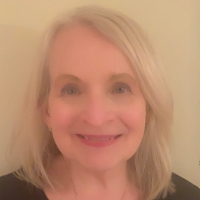

Carla Morris
LCPC
Compassionate counselor for stress and life changes
- Stress, Anxiety
- Trauma and abuse
- Depression

Trina Hill
LCSW
Supportive LCSW for stress and trauma recovery
- Stress, Anxiety
- Addictions
- Trauma and abuse

Is this your profile?
Ask us to correct details or take the page down.
Contact us