
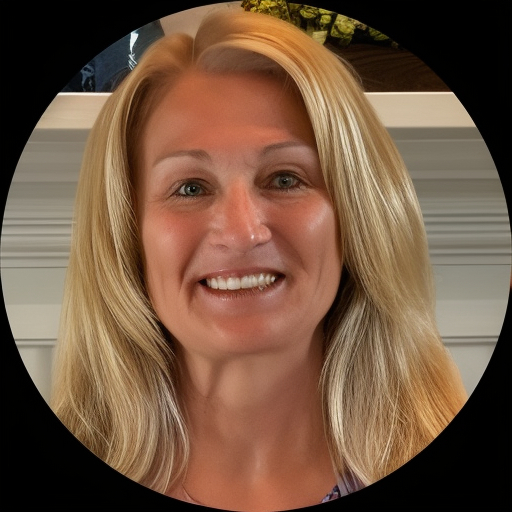
Cynthia Johnson, LMHC
Massachusetts · 8 years in practice
Cynthia Johnson is a licensed mental health counselor in Massachusetts who focuses on helping people facing stress, anxiety, addiction struggles, low self-esteem, and depression.
License and registration
- LMHC, Massachusetts
- LMHC10001250 · expires December 2027
- NPI
- 1235596818 · national provider identifier
- Years in practice
- 8
- Languages
- English
Details are as listed on the therapist's public professional profile. You can check the license with the issuing state board, and the NPI with the national registry.
About Cynthia
Cynthia Johnson is a licensed mental health counselor in Massachusetts who focuses on helping people facing stress, anxiety, addiction struggles, low self-esteem, and depression. She meets clients where they are and treats each person as the expert on their own life. Cynthia emphasizes practical steps and steady support to help people move toward more satisfying days.
She uses Systemic Therapy to look at how patterns between people and in daily routines influence problems.
Background and approach
That perspective helps identify small changes that can shift larger patterns. She also draws on Acceptance and Commitment Therapy to help clients notice painful thoughts without getting stuck in them. Cynthia blends client-centered listening with Cognitive Behavioral Therapy techniques.
Sessions often include straightforward conversations, skill practice, and simple experiments to test what helps. The work is aimed at improving mood, reducing worry, and changing unhelpful habits like impulsivity or avoidance. Her background includes eight years of clinical experience and she holds a Master of Arts and the Licensed Mental Health Counselor credential, LMHC.
She works with issues such as attachment wounds, grief around end-of-life, communication problems, and challenges like hoarding or compulsive behaviors. People who choose Cynthia can expect a collaborative tone and concrete suggestions tailored to daily life. She encourages realistic goals and small steps that fit each person’s schedule and priorities.
The overall focus is on practical change and steady emotional support.
Focus areas and approaches
Everything Cynthia lists on their public professional profile, in their own terms.
- Stress, Anxiety
- Addictions
- Relationship issues
- Self esteem
- Depression
- Abandonment
- Attachment issues
- Caregiver issues and stress
- Communication problems
- Control issues
- Divorce and separation
- Forgiveness
- Guilt and shame
- Hoarding
- Hospice and end-of-life counseling
- Impulsivity
- Infidelity
- Isolation / loneliness
- Life purpose
- Midlife crisis
- Veteran and Armed Forces Issues
- Money and financial issues
- Mood disorders
- Multicultural concerns
- Panic disorder and panic attacks
- Polyamory / non-monogamous relationships
- Post-traumatic stress
- Pregnancy and childbirth
- Self-love
- Sexuality
- Social anxiety and phobia
- Women's issues
- Workplace issues
Approaches Cynthia names
- Systemic Therapy
- Acceptance and Commitment Therapy (ACT)
- Attachment-Based Therapy
- Client-Centered Therapy
- Cognitive Behavioral Therapy (CBT)
- Dialectical Behavior Therapy (DBT)
- Emotionally-Focused Therapy (EFT)
- Existential Therapy
- Jungian Therapy
- Mindfulness Therapy
- Motivational Interviewing
- Narrative Therapy
- Psychodynamic Therapy
- Solution-Focused Therapy
- Somatic Therapy
- Trauma-Focused Therapy
- Internal Family Systems
Naming an approach is not evidence of training in it. This directory copies what each therapist lists and does not check training records.
Online support
How different approaches work in online sessions
Cynthia uses Systemic Therapy to map patterns between people and routines, helping clients see how relationships and daily habits keep problems going. That view is useful for communication issues, control struggles, and repeated cycles that feed anxiety or conflict. She also uses Acceptance and Commitment Therapy, which focuses on noticing thoughts and feelings while taking values-based action. ACT can help when worry or painful memories are getting in the way of living a meaningful life. Client-centered techniques shape the sessions by prioritizing the person's experience and pacing the work according to what feels manageable. Deciding which approach to use is a team effort. Cynthia works with each person to figure out what fits their goals and daily life. She checks in regularly and adjusts the plan based on what helps and what feels useful. Online formats support different practical needs. Video calls allow face-to-face conversation and skill practice. Phone sessions can be easier when bandwidth is limited or when someone prefers not to be on camera. Live chat and text-based messaging let people check in between sessions, share quick updates, or use shorter check-ins that fit a busy day. Together these options make it simpler to keep therapy consistent while fitting it into work, caregiving, or other routines.We will earn a commission if you sign up through our link, at no cost to you. It does not change what you pay or the order of the listings.
Questions people ask
What kinds of concerns does Cynthia help with?
She helps people manage stress, anxiety, addiction-related struggles, low self-esteem, depression, and relationship or communication problems. Additional focuses include attachment issues, caregiver stress, grief and end-of-life concerns, hoarding, impulsivity, and life purpose questions.
What is her general approach in therapy?
Her work combines Systemic Therapy with Acceptance and Commitment Therapy, client-centered listening, and Cognitive Behavioral Therapy techniques. Sessions typically mix listening, practical skills, and small experiments to test what helps in daily life.
How much clinical experience does she have?
Cynthia brings eight years of professional experience working with people on mood, anxiety, addiction, and relationship-related concerns. That experience informs a practical, goal-focused style.
What credentials does she hold and where is she located?
She holds a Master of Arts and is a Licensed Mental Health Counselor, LMHC, practicing in Massachusetts.
Which languages are supported for sessions?
Sessions are offered in English.
What session formats are available?
Sessions can be scheduled as video calls, phone sessions, live chat, or text-based messaging to fit different needs and routines.
How is cost structured for therapy?
Cost varies with location and therapist availability and uses a subscription model that can be canceled at any time.
How do I begin working with her?
Start by selecting the Start Therapy button, complete a short matching questionnaire, and then schedule sessions according to therapist availability.
More therapists in Massachusetts
See allChabreah Alston
LMHC
Compassionate therapist focused on relationships and resilience
- Stress, Anxiety
- LGBT
- Relationship

Holly Gerety
LICSW
Helping people manage stress and relationship strain
- Stress, Anxiety
- Relationship
- Grief
Marcela Mota Aversa
LMHC
Guide-focused counselor who listens and plans
- Stress, Anxiety
- Addictions
- Relationship

Is this your profile?
Ask us to correct details or take the page down.
Contact us