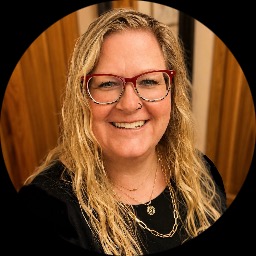
Shannon Wilson, LMSW
Michigan · 25 years in practice
Shannon Wilson is a licensed master social worker who uses a systemic lens to help people untangle stress, anxiety, depression, and relationship strains.
License and registration
- LMSW, Michigan
- 6801091814 · expires August 2026
- NPI
- 1013225754 · national provider identifier
- Years in practice
- 25
- Languages
- English
Details are as listed on the therapist's public professional profile. You can check the license with the issuing state board, and the NPI with the national registry.
About Shannon
Shannon Wilson is a licensed master social worker who uses a systemic lens to help people untangle stress, anxiety, depression, and relationship strains. She draws on 25 years of clinical experience and focuses on real problems that arrive in everyday life. Shannon keeps language simple and practical so parents can read quickly and decide if she might be a fit.
Shannon starts by listening to the whole picture - how emotions, patterns, and relationships interact.
Background and approach
From there she works with clients to identify small, manageable changes that can reduce distress. Sessions often include teaching coping skills, noticing repeating patterns, and trying new ways of relating to others. Her work also addresses trauma, self-esteem, and mood concerns.
She uses approaches such as attachment-based methods and cognitive behavioral techniques to help people understand how early connections and current thoughts affect feelings and behavior. Dialectical behavior ideas are used when emotion regulation and distress tolerance need direct practice. Clients can expect calm, focused sessions that emphasize practical tools and clearer thinking.
Shannon explains techniques in plain language and checks in about whether an approach is working. She aims to help people feel more able to handle daily stresses and to rebuild trust in themselves and others. Shannon practices in Michigan and meets with people in English.
She offers a mix of session formats to fit different schedules and communication styles.
Focus areas and approaches
Everything Shannon lists on their public professional profile, in their own terms.
- Stress, Anxiety
- Relationship issues
- Trauma and abuse
- Self esteem
- Depression
- Attachment issues
- Blended family issues
- Codependency
- Emptiness
- Family problems
- Forgiveness
- Guilt and shame
- Mood disorders
- Obsessions, compulsions, and OCD
- Panic disorder and panic attacks
- Personality disorders
- Post-traumatic stress
- Seasonal Affective Disorder (SAD)
- Self-love
- Sexual assault and abuse
- Social anxiety and phobia
Approaches Shannon names
- Systemic Therapy
- Attachment-Based Therapy
- Client-Centered Therapy
- Cognitive Behavioral Therapy (CBT)
- Dialectical Behavior Therapy (DBT)
- Motivational Interviewing
- Psychodynamic Therapy
- Trauma-Focused Therapy
- Internal Family Systems
Naming an approach is not evidence of training in it. This directory copies what each therapist lists and does not check training records.
Online support
How therapy approaches translate to online care
Systemic therapy looks at patterns between thoughts, feelings, and relationships and helps people spot repeating cycles that add to stress. Online sessions let Shannon and a client map those patterns together and try new interaction strategies during conversation or between sessions.Attachment-based therapy focuses on how early connections shape current relationships. In practice this means talking about how trust and closeness show up now and trying small changes to feel more supported. Cognitive behavioral therapy, or CBT, breaks down unhelpful thoughts and behaviors into clear steps and offers concrete skills to manage anxiety, mood, and compulsive habits.
Finding the right approach is part of the work. Shannon collaborates with clients to choose methods that match their goals, needs, and preferences and checks in regularly to adjust the plan. The process is exploratory and guided by what proves helpful in real life.
Online formats - video calls, phone sessions, live chat, and text-based messaging - make it easier to fit therapy into busy lives. Video is useful for teaching skills and keeping a face-to-face feel, phone sessions can be lower bandwidth and more flexible, chat is good for shorter check-ins, and messaging supports ongoing reflection between meetings. These options help people keep continuity of care and practice skills in daily routines.
We will earn a commission if you sign up through our link, at no cost to you. It does not change what you pay or the order of the listings.
Questions people ask
What kinds of problems does Shannon help with?
She works with stress, anxiety, depression, relationship issues, trauma and abuse, and self-esteem concerns along with many related issues such as panic, OCD symptoms, and mood disorders.
What is her therapeutic style like?
She uses a systemic perspective and combines attachment-based, client-centered, cognitive behavioral, and dialectical behavior approaches to keep sessions practical and focused on change.
How much clinical experience does she have?
Shannon brings 25 years of experience working with people on emotional and relational difficulties.
What are her credentials and where is she located?
She holds an LMSW, which is a licensed master social worker credential, and practices in Michigan.
Can I work with her if I live outside the United States?
Sessions are conducted in English and she is not currently accepting international clients.
Which session formats are available?
Shannon offers video calls, phone sessions, live chat, and text-based messaging to match different needs and schedules.
How much do sessions cost?
Cost varies with location and therapist availability; sessions are provided through a subscription that can be canceled at any time.
What do I need to do to begin?
Click the Start Therapy button, complete a short matching questionnaire, and schedule sessions according to therapist availability.
More therapists in Michigan
See allDr. Deborah Bailey
LMFT
Compassionate systems-focused therapy for everyday life
- Stress, Anxiety
- Relationship
- Parenting

Renee Glass
LMSW
Therapist focused on practical relationship healing
- Stress, Anxiety
- Relationship
- Family


Laurie Jolly
LMSW
Experienced Michigan social worker focused on relationships
- Stress, Anxiety
- Family
- Trauma and abuse
Is this your profile?
Ask us to correct details or take the page down.
Contact us