
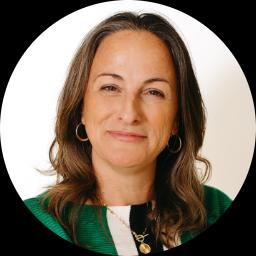
Wendy Gray, LMHC
North Carolina · 25 years in practice
Wendy Gray is a licensed mental health counselor who helps people facing family stress, trauma and abuse, grief, low self-esteem, compassion fatigue, and ADHD-related challenges.
License and registration
- LMHC, North Carolina
- 3544 · expires June 2026
- NPI
- 1487969663 · national provider identifier
- Years in practice
- 25
- Languages
- English
Details are as listed on the therapist's public professional profile. You can check the license with the issuing state board, and the NPI with the national registry.
About Wendy
Wendy Gray is a licensed mental health counselor who helps people facing family stress, trauma and abuse, grief, low self-esteem, compassion fatigue, and ADHD-related challenges. She works with individuals who feel stuck by difficult family patterns, painful losses, or the overwhelm of caregiving and first responder roles. Wendy aims to make the first step feel manageable and clear.
Wendy approaches therapy in a practical, respectful way. She listens closely to the story you bring and then shapes conversations to match your needs.
Background and approach
Sessions focus on small, doable changes that build toward steadier routines and clearer communication. Her work often looks at relationships and how patterns pass between people. That systemic viewpoint helps identify repeating cycles and new ways to relate.
Attachment-based ideas are used to understand emotional bonds and to rebuild a sense of safety with others. Cognitive behavioral techniques help clients name unhelpful thoughts and try different behaviors in everyday life. Narrative and motivational methods are added when people want to reframe their story or find reasons to move forward.
Wendy blends approaches to fit the situation rather than using a single strict method. Wendy has practiced for 25 years and holds an NC Licensed Mental Health Counselor credential. She offers sessions from North Carolina and conducts them in English.
Her style is steady, compassionate, and goal oriented for people ready to make practical changes.
Focus areas and approaches
Everything Wendy lists on their public professional profile, in their own terms.
- Family conflicts
- Trauma and abuse
- Grief
- Self esteem
- Compassion fatigue
- ADHD
- Abandonment
- Attachment issues
- Blended family issues
- Caregiver issues and stress
- Co-morbidity
- Communication problems
- Coping with natural or human-caused disaster
- Divorce and separation
- Domestic violence
- Family problems
- First responder issues
- Forgiveness
- Guilt and shame
- Impulsivity
- Isolation / loneliness
- Jealousy
- Life purpose
- Men's issues
- Midlife crisis
- Mood disorders
- Panic disorder and panic attacks
- Post-traumatic stress
- Women's issues
- Young adult issues
Approaches Wendy names
- Systemic Therapy
- Attachment-Based Therapy
- Cognitive Behavioral Therapy (CBT)
- Motivational Interviewing
- Narrative Therapy
- Solution-Focused Therapy
- Somatic Therapy
- Trauma-Focused Therapy
Naming an approach is not evidence of training in it. This directory copies what each therapist lists and does not check training records.
Online support
How her approaches translate to online care
Wendy often integrates a systemic view to spot repeating patterns in relationships and family life, helping people see how interactions keep problems going and where small changes can shift dynamics. Attachment-based work focuses on how emotional bonds form and offers ways to rebuild trust and closeness after disruption. Cognitive behavioral therapy (CBT) helps people find the thoughts and behaviors that keep them stuck and then test new ways of thinking and acting to reduce distress and improve daily functioning.Choosing the right approach is part of the work. Wendy collaborates with each person to identify goals and preferences, then adjusts methods as progress is made. That means sessions might start with one focus and move to another when different skills or perspectives are needed.
Online formats give practical flexibility. Video calls allow face-to-face conversation and shared exercises. Phone sessions can be lower bandwidth and easier to fit into a work break. Live chat and text-based messaging make short check-ins and reflection possible between sessions. These options help people keep therapy consistent while balancing family, work, and caregiving responsibilities.
We will earn a commission if you sign up through our link, at no cost to you. It does not change what you pay or the order of the listings.
Questions people ask
What concerns does Wendy commonly address?
She supports people dealing with family problems, trauma and abuse, grief, low self-esteem, compassion fatigue, and ADHD-related challenges, as well as issues like abandonment, attachment, and caregiver stress.
How would you describe her therapeutic style?
Wendy uses a practical, respectful style that listens first and then tailors sessions to goals. She combines relational and skills-based approaches so therapy fits the person.
What is her clinical experience?
She brings 25 years of professional experience working with trauma, family dynamics, grief, and related concerns across different settings.
What credentials and location are listed?
Wendy holds an NC Licensed Mental Health Counselor credential and practices from North Carolina.
Which languages are offered for sessions?
Sessions are offered in English.
Are international clients accepted?
She is not currently accepting international clients.
What session formats does she use?
She conducts therapy via video calls, phone sessions, live chat, and text-based messaging to suit different needs and schedules.
How are costs and starting steps handled?
Cost varies with location and therapist availability and uses a subscription that can be canceled at any time; to get started, select the Start Therapy button, complete the short matching questionnaire, and schedule a session.
More therapists in North Carolina
See allJason Radosevich
LCSW
Understanding and practical support for life challenges
- Stress, Anxiety
- Family
- Grief

Denise Campbell
LCMHC
Compassionate counselor who focuses on relationships and stress
- Stress, Anxiety
- Relationship
- Family

Rashel Lauret
LMFT
Compassionate therapist for stress and family concerns
- Stress, Anxiety
- Relationship
- Family
Carol Queen
LCSW
Compassionate systemic therapy for everyday struggles
- Stress, Anxiety
- Relationship
- Self esteem

Is this your profile?
Ask us to correct details or take the page down.
Contact us