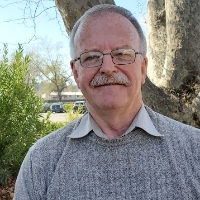
Patrick O'Leary, LMFT
California · 41 years in practice
Patrick O'Leary is a California-based licensed marriage and family therapist with 41 years of clinical experience.
License and registration
- LMFT, California
- 27408 · expires March 2026
- NPI
- 1538209572 · national provider identifier
- Years in practice
- 41
- Languages
- English
Details are as listed on the therapist's public professional profile. You can check the license with the issuing state board, and the NPI with the national registry.
About Patrick
Patrick O'Leary is a California-based licensed marriage and family therapist with 41 years of clinical experience. He focuses on helping people navigate difficult life changes, relationship strain, and struggles with mood and addiction. Patrick aims to make therapy straightforward and practical for people feeling overwhelmed or stuck.
He draws on Systemic Therapy to look at patterns in relationships and family life. He also uses Client-Centered approaches to create a respectful, non-judgmental space where clients guide what matters most to them.
Background and approach
Cognitive Behavioral Therapy ideas are used to tackle unhelpful thoughts and build new coping habits. Patrick works with a wide range of concerns including anxiety, depression, bipolar struggles, grief, trauma and abuse, and problems with substance use. He also supports people facing parenting stress, career transitions, eating issues, and compassion fatigue.
Common themes he addresses are communication problems, codependency, control issues, and attachment difficulties. Sessions focus on clear goals and practical steps. Patrick helps people notice recurring patterns, try small changes, and track progress between meetings.
He prefers simple language and concrete techniques that fit everyday life. People who come to him often want a steady, experienced presence and straightforward tools for coping. Patrick provides thoughtful guidance and attention to the whole context around a person’s struggles, rather than treating issues in isolation.
Focus areas and approaches
Everything Patrick lists on their public professional profile, in their own terms.
- Addictions
- Relationship issues
- Intimacy-related issues
- Stress, Anxiety
- Family conflicts
- Trauma and abuse
- Grief
- Eating disorders
- Parenting issues
- Anger management
- Self esteem
- Career difficulties
- Bipolar disorder
- Depression
- Coping with life changes
- Compassion fatigue
- ADHD
- Attachment issues
- Cancer
- Codependency
- Communication problems
- Control issues
- Coping with natural or human-caused disaster
- Divorce and separation
- Drug and alcohol addiction
- Family problems
- Fatherhood issues
- First responder issues
- Forgiveness
- Guilt and shame
- Midlife crisis
- Mood disorders
- Post-traumatic stress
- Seasonal Affective Disorder (SAD)
- Self-love
- Sex addiction
- Workplace issues
- Young adult issues
Approaches Patrick names
- Systemic Therapy
- Client-Centered Therapy
- Cognitive Behavioral Therapy (CBT)
- Mindfulness Therapy
- Narrative Therapy
- Solution-Focused Therapy
Naming an approach is not evidence of training in it. This directory copies what each therapist lists and does not check training records.
Online support
How therapeutic approaches work online
Patrick uses a few complementary approaches that translate well to online work. Systemic Therapy focuses on patterns between people and how those patterns affect daily life; online sessions let clients describe interactions and try new ways of relating between meetings. Client-Centered Therapy centers the client's priorities and experience, giving space for the person to lead the conversation while the therapist follows and reflects back what matters. Cognitive Behavioral Therapy (CBT) targets specific thoughts and behaviors and breaks them into manageable steps to practice between sessions.Finding the right approach is part of the process. Patrick will collaborate with each person to choose methods that match their goals, needs, and preferences. He checks in regularly and adjusts techniques so they fit the client’s pace and situation.
Online therapy offers practical benefits like scheduling flexibility and easier access from different locations. Video calls allow face-to-face interaction, phone sessions work well when bandwidth is limited, live chat can suit short check-ins, and text-based messaging supports ongoing reflection between meetings. These options make it easier to keep therapy consistent around work, parenting, or other commitments.
We will earn a commission if you sign up through our link, at no cost to you. It does not change what you pay or the order of the listings.
Questions people ask
What kinds of problems does Patrick help with?
He works with many concerns including addictions, relationship and intimacy issues, anxiety, depression, grief, trauma and family problems.
How would you describe his therapy style?
Sessions combine a systemic view of relationships with client-centered listening and practical CBT techniques to build new coping skills.
How much experience does he have?
Patrick has 41 years of clinical experience working with a broad set of emotional and life-transition concerns.
What are his credentials and where is he based?
He is a California LMFT and practices in California.
Are sessions available in other languages or internationally?
Sessions are offered in English and he does not accept international clients.
What session formats does he offer?
Sessions can be held by video calls, phone sessions, live chat, or text-based messaging.
How does pricing work for sessions?
Cost varies with location and therapist availability and sessions use a subscription that can be canceled at any time.
How do I begin working with him?
Start by selecting the Start Therapy button, complete a short matching questionnaire, and schedule according to therapist availability.
More therapists in California
See allAlejandro Holguin
LCSW
Practical, collaborative help for life changes
- Stress, Anxiety
- Relationship
- Anger

Eugene Yamamoto
LCSW
Practical therapy for stress and life changes
- Stress, Anxiety
- Self esteem
- Depression
Gian Sarabia
LMFT
Practical, relationship-focused therapy for real life
- Trauma and abuse
- Intimacy-related issues
- Bipolar

Henry Burciaga
LMFT
Experienced therapist focused on relationships and life change
- Stress, Anxiety
- Relationship
- Family

Is this your profile?
Ask us to correct details or take the page down.
Contact us