
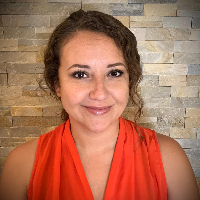
Elizabeth Giele, LCSW, LICSW
New Mexico · 35 years in practice
Elizabeth Giele is a Licensed Clinical Social Worker with 35 years of experience.
License and registration
- LCSW, New Mexico
- C-08888 · expires July 2026
- LICSW, Massachusetts
- 1021086 · expires August 2027
- LICSW, Rhode Island
- ISW02400 · expires May 2027
- LCSW, Maine
- LC14589 · expires December 2027
- NPI
- 1174934244 · national provider identifier
- Years in practice
- 35
- Languages
- English
Details are as listed on the therapist's public professional profile. You can check the license with the issuing state board, and the NPI with the national registry.
About Elizabeth
Elizabeth Giele is a Licensed Clinical Social Worker with 35 years of experience. She offers calm, practical support for people facing stress, anxiety, grief, career shifts, and major life changes. She uses a systemic outlook to see how relationships and settings influence a person's problems.
That helps when concerns involve communication, caregiving, family of origin issues, or role changes at work or home. Elizabeth blends that view with client-centered and mindfulness-based practices to help people notice what matters to them.
Background and approach
Her practice focuses on everyday struggles and big transitions alike. Common topics include depression, trauma and abuse, intimacy-related issues, sleep problems, anger, self-esteem, and ADHD. She also supports people coping with chronic illness, cancer, hospice and end-of-life matters, and caregiver stress.
Elizabeth draws from Acceptance and Commitment Therapy and existential ideas to help people clarify values and make meaningful choices. Sessions may include coaching elements for career planning and life purpose, alongside psychotherapy tools for processing grief and trauma. She listens without judgment and helps clients try new ways of handling painful thoughts and feelings.
Based in New Mexico, Elizabeth works with adults who want straightforward, respectful guidance. She helps people build resilience and greater confidence so they can move forward with clearer goals and more ease.
Focus areas and approaches
Everything Elizabeth lists on their public professional profile, in their own terms.
- Stress, Anxiety
- Grief
- Career difficulties
- Coping with life changes
- Compassion fatigue
- LGBT
- Relationship issues
- Family conflicts
- Trauma and abuse
- Intimacy-related issues
- Sleeping disorders
- Anger management
- Self esteem
- Depression
- Coaching
- ADHD
- Aging and geriatric issues
- Cancer
- Caregiver issues and stress
- Chronic pain, illness, and disability
- Codependency
- Communication problems
- Coping with natural or human-caused disaster
- Family of origin issues
- Family problems
- Forgiveness
- Hospice and end-of-life counseling
- Isolation / loneliness
- Life purpose
- Midlife crisis
- Veteran and Armed Forces Issues
- Money and financial issues
- Seasonal Affective Disorder (SAD)
- Sexuality
- Women's issues
- Workplace issues
Approaches Elizabeth names
- Systemic Therapy
- Acceptance and Commitment Therapy (ACT)
- Client-Centered Therapy
- Existential Therapy
- Mindfulness Therapy
- Narrative Therapy
- Psychodynamic Therapy
- Solution-Focused Therapy
- Somatic Therapy
Naming an approach is not evidence of training in it. This directory copies what each therapist lists and does not check training records.
Online support
How her approaches translate to online therapy
Systemic Therapy looks at how relationships and daily settings affect feelings and behavior. In online sessions Elizabeth considers family dynamics, work roles, and caregiving demands to help clients spot patterns and try different responses. Acceptance and Commitment Therapy (ACT) teaches practical ways to notice thoughts and choose actions that match personal values. It can help with anxiety, depression, grief, and navigating life transitions by focusing on meaningful goals. Client-Centered Therapy prioritizes the client's perspective and builds a trusting, nonjudgmental space where people can clarify what they want and feel supported while making changes.Choosing the right approach is part of the work together. Elizabeth will talk with each person about goals, preferences, and how they respond to different techniques, then adapt methods that fit. The process is collaborative so plans evolve as needs change.
Online therapy offers flexibility for people with busy schedules or limited mobility. Video calls let you work face-to-face when that matters, phone sessions use less bandwidth and can be easier during a quick break, and live chat or text messaging support brief check-ins or ongoing coaching between sessions. These options make it easier to keep momentum while dealing with work, caregiving, or health limitations.
We will earn a commission if you sign up through our link, at no cost to you. It does not change what you pay or the order of the listings.
Questions people ask
What kinds of concerns does she address?
She helps with stress, anxiety, depression, grief, trauma, relationship and intimacy issues, sleep problems, anger, self-esteem, ADHD, and career or life-change concerns.
How would you describe her therapeutic style?
Her style is person-centered and systemic with mindfulness and Acceptance and Commitment Therapy influences. She listens closely and helps people connect actions to what matters to them.
What experience does she bring to sessions?
She has 35 years of clinical experience working with a broad range of life challenges, including caregiving, chronic illness, hospice and end-of-life issues, and career coaching.
Where is she based and what are her credentials?
She practices in New Mexico and holds LCSW and LICSW credentials, listed as ME LCSW and MA LICSW in her documentation.
Which languages are supported for sessions?
Sessions are offered in English.
Can people outside the U.S. work with her?
International clients are not currently accepted; she sees people based in locations where her licensure applies.
What session formats are available online?
She offers video calls, phone sessions, live chat, and text-based messaging to fit different needs and schedules.
How does payment and getting started work?
Cost varies by location and scheduling; sessions use a subscription that can be canceled at any time. To begin, select the Start Therapy button, complete a short matching questionnaire, and schedule according to the therapist's availability.
More therapists in New Mexico
See allLisa Mulholland
LCSW
Supportive New Mexico LCSW focused on change
- Addictions
- Relationship
- Trauma and abuse

Lidia Atencio
LPCC
Compassionate counselor focused on relationship patterns
- Stress, Anxiety
- Relationship
- Family

Angela Porter
LPCC
Compassionate counselor for relationships and mood
- Stress, Anxiety
- Relationship
- Family

Is this your profile?
Ask us to correct details or take the page down.
Contact us