Clinical social work directory
Therapists in South Carolina
9 therapists in this directory hold a licence issued in South Carolina and name systemic therapy among their approaches. Sessions are online; a US therapist can usually only see people in a state where they hold a licence, so check the credentials panel on each profile.
Welcome to Systemic Therapists' directory for online counseling in South Carolina. All therapists listed here are licensed in South Carolina; explore profiles to compare approaches, focus areas, credentials and languages.

Dr. James Smith
LISW-CP
Experienced social worker focused on practical change
- Stress, Anxiety
- Relationship
- Anger

Allison Nitschke
LPC, LCMHC
Experienced counselor blending relationship focus and practical tools
- Relationship
- Grief
- Parenting

Susan Essich-Kruse
LICSW, LISW-CP
Practical, steady care for stress and relationships
- Stress, Anxiety
- Relationship
- Parenting

Casey Kimbrell
LISW-CP
Practical, relationship-focused social worker
- Addictions
- Relationship
- Trauma and abuse

Rodrecus Atkinson
LPC
Compassionate, practical counseling for everyday life
- Stress, Anxiety
- Family
- Self esteem
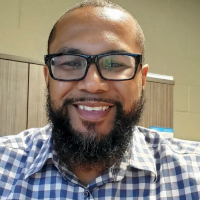
Dr. Julia Morett-Vij
LMFT
Systemic therapist focusing on practical solutions
- Stress, Anxiety
- Relationship
- Parenting

Randall MacKendrick
LPC
Straightforward support for life transitions
- Stress, Anxiety
- Relationship
- Self esteem

Dr. Donald Strauss
MD, LCSW-C, LISW
Experienced clinician blending medical and social work care
- Stress, Anxiety
- Relationship
- Grief

Some links on this page are partner links. We will earn a commission if you sign up through one, at no cost to you. It does not change what you pay or the order of the listings.
Understanding online therapy in South Carolina
If you are exploring online therapy in South Carolina, you will find that many licensed clinicians offer remote care by video and phone as part of their practice. State licensing boards set the rules that govern how professionals may provide telehealth services, and those rules determine the settings and circumstances under which a therapist may work with you remotely. Online therapy can take different forms - regular video sessions that resemble an in-person visit, shorter check-ins by phone, or a blend of modalities - and the specific options a clinician lists on their profile reflect their stated approaches rather than proof of particular certifications.
When you look at listings, you may notice different license types, such as licensed professional counselors, licensed clinical social workers, and licensed psychologists. Each license is governed by its respective South Carolina board, which maintains records of current licensure and disciplinary history. Understanding those distinctions will help you interpret what a clinician's credentials mean for the type of care they offer. You should also keep in mind that laws and professional guidance evolve, so board guidance and state rules are the most reliable sources for current standards about remote care.
Benefits of online therapy for South Carolina residents
Online therapy can expand your access to care, particularly if you live in a rural or underserved part of South Carolina where in-person options are limited. With remote sessions, you can connect with clinicians who list certain approaches or focus areas that match your needs without having to travel long distances. This flexibility can make it easier to fit counseling into a busy schedule, manage commitments such as work or caregiving, and maintain continuity during life transitions.
For many people, online sessions also reduce stress around logistics. You can meet with a therapist from a comfortable environment in your home, a personal office at work, or another safe setting where you feel at ease. Remote care can also expand the pool of clinicians who speak your preferred language or who work with cultural backgrounds similar to your own. While online therapy is not a replacement for every type of in-person service, you may find it a practical, effective way to begin work on emotional concerns, relationship challenges, or life stressors when it fits your life better than commuting to an office.
Issues that online therapists in South Carolina commonly help with
You will find online therapists who work with a wide range of concerns. Many people seek remote counseling for anxiety, depression, stress management, grief, and life transitions such as moving, career change, or becoming a parent. Relationship concerns - whether couples counseling, parenting questions, or family dynamics - are also commonly addressed in online formats that support conversation and skill-building across sessions.
In addition, clinicians often list specialized focus areas such as trauma-related care, chronic health concerns, identity and sexuality matters, and work-related stress. Some therapists indicate approaches like cognitive behavioral techniques, mindfulness-based methods, or other modalities among their approaches; when you see those terms on a profile, they reflect what the clinician lists rather than a formal endorsement of a specific credential. If you are seeking support for issues that require particular expertise, you may prioritize clinicians who list relevant experience or who describe a practice focus that matches your situation.
How to verify a therapist's license in South Carolina
Before you begin with a clinician, it is a good idea to verify their licensure status through the appropriate South Carolina licensing board. The primary steps involve identifying the professional's license type and then using that information to check the board's online verification tool. Boards maintain searchable records where you can confirm that a license is active, view the license number, see the effective and expiration dates, and review any public disciplinary actions. Having the clinician's full name and the type of license they claim will make this process easier.
If you have questions about what a license type means or how to interpret public records, you can contact the licensing board directly for guidance. Different boards oversee counselors, social workers, and psychologists, and each board posts its requirements and consumer information online. Verifying licensure is a practical step that helps you confirm that the clinician meets the state's requirements to practice and that there are no unresolved public actions that you should be aware of.
Getting started with an online therapist and choosing the right clinician
How to begin
When you are ready to start, consider what you want from therapy and the practical factors that will shape a good match. Think about the issues you want to address, whether you prefer a clinician who lists certain approaches among their offerings, and any language or cultural needs you have. Review therapist profiles to learn about their stated focus areas, credentials, and the populations they describe working with. Reach out using the contact details on the profile to ask introductory questions about approach, session format, and practical matters like fees and payment methods. A short initial conversation by email or phone can give you a sense of whether a clinician's style and communication feel comfortable to you.
Tips for choosing a therapist
Selecting a therapist is a personal process. You may value a clinician's background in particular types of work, such as relationship counseling or grief support, or you may prioritize someone who lists experience working with your demographic or cultural community. Pay attention to how a clinician describes their approach; some may emphasize problem-focused strategies while others highlight longer-term exploration of patterns. If a therapist lists certain modalities among their approaches, you can ask them during an introductory contact how they typically apply those methods in sessions.
Practical considerations matter as well. Think about whether you prefer video or phone conversations, the hours when sessions are offered, and whether the clinician accepts your method of payment. Prepare a list of questions to ask in your first exchange, such as how they structure sessions, what a typical early session looks like, and how you will measure progress together. Finally, create a comfortable environment for remote sessions where you will not be interrupted and where you feel at ease sharing personal material. A consistent, calm setting can help you make the most of your work together.
Choosing a therapist is often an iterative process - it is normal to try a few conversations before you find a clinician whose style and focus suit you. By clarifying your goals, checking licensure records, and asking focused questions about approach and practical details, you will be better positioned to find an online therapist in South Carolina who aligns with your needs and preferences.